
When Local Authorship Shapes the Stay
By Phillip Mullennax · · 4 min read
Fast Town Journal · Partnerships and Culture · Culture and Performance
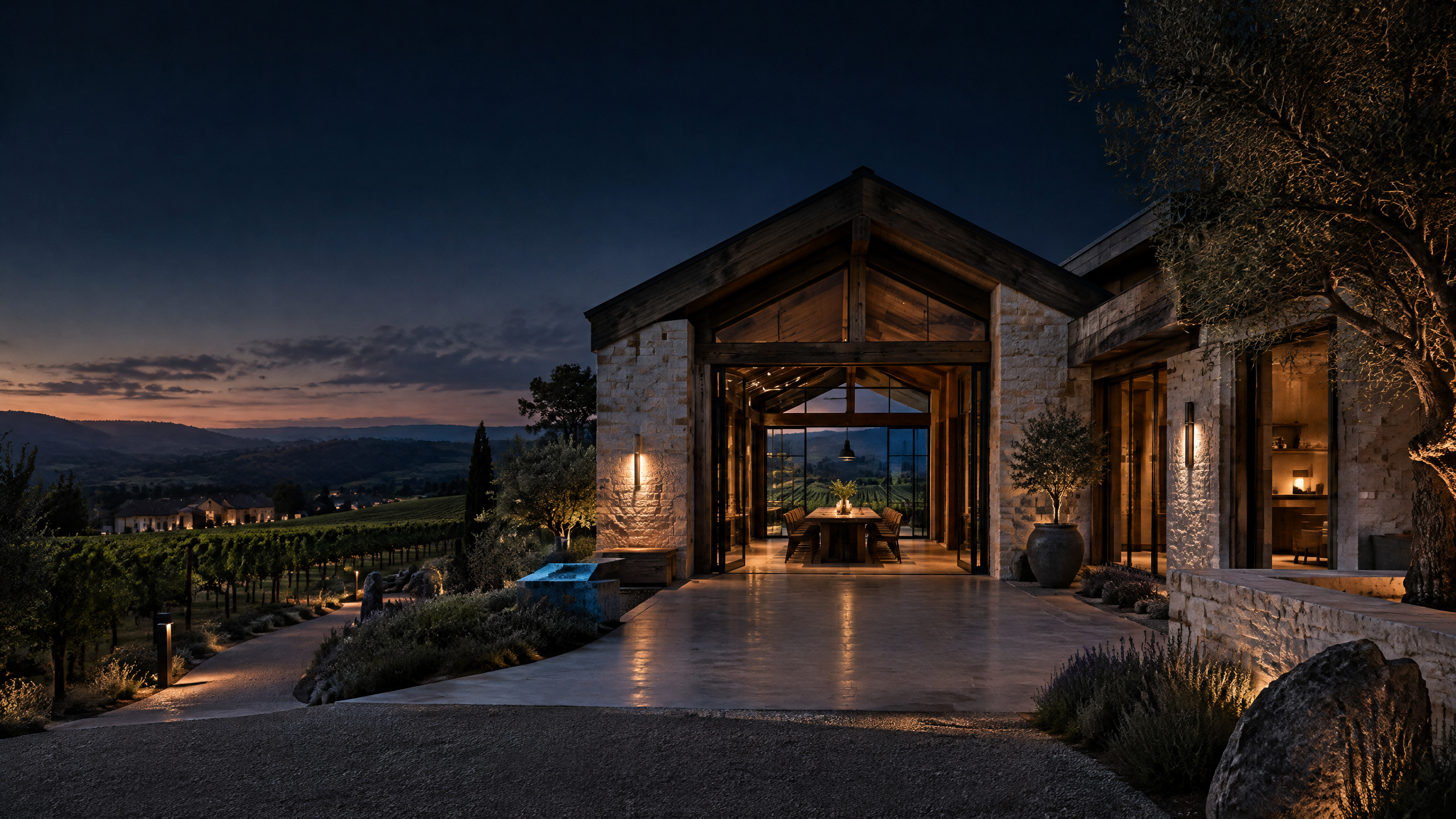
Public-safe editorial adaptation of the approved Fast Town Weekly ICP 5 release. Original editorial illustration for Fast Town. Fictional setting; not The Clayfield, a Hyatt property, Niagara-on-the-Lake, or any real location. View the current source.
A place-based stay becomes more credible when the local story informs the building, the table, the landscape, and the way people gather—not just the brochure.
A hotel can borrow the look of a place without ever feeling connected to it. The more difficult work is letting the local story shape the building, the table, the materials, the route through the property, and the reasons a guest has to spend time there.
The Clayfield’s September opening in Niagara-on-the-Lake offers a current case study. Hyatt announced September 17 that the boutique wine-and-wellness hotel had joined The Unbound Collection by Hyatt, describing a property informed by Niagara’s vineyards, clay-rich landscape, food, wine, and creative community.[1] Local reporting described the project as the result of a long collaboration between John Hawley and David Feldberg and placed the hotel at the centre of Clayfield Commons, at the corner of Niven and Niagara Stone roads.[2]
The story is not that a global hospitality name arrived in wine country. It is that the local authorship had to be visible enough to carry the experience.
Place is not a moodboard
The phrase “sense of place” is often used when the actual decisions are vague. It becomes more useful when you can point to the choices that make it visible.
Hyatt says Montreal-based Sid Lee Architecture drew from the escarpment and the vertical order of vineyard rows, while the interior palette uses oak, stone, woven textiles, and layered textures.[1] The Clayfield’s own site describes a 102-room hotel at the heart of Clayfield Commons, positioned between Old Town and the region’s vineyards.[3]
Those details are not proof that a hotel has achieved cultural relevance. They are evidence of intent. The real test is whether the design, food, social spaces, and relationship to the surrounding community behave as one experience rather than a collection of separate brand moments.
When that happens, local context does not need to be performed. It becomes part of how a guest moves through the day.
The strongest partnership is a division of authorship
The Clayfield’s story is clearer because it does not appear to begin with a single external brand directive. Hyatt’s announcement traces the project to the shared visions of the Feldberg and Hawley families: Feldberg’s connection to Stratus Vineyards and Hawley’s Clayfield Commons development.[1] Local reporting adds a view from the property’s preview, describing how the two families’ collaboration became the architectural focal point of the Commons after a long process.[2]
That is a useful partnership model. The global platform can provide reach, operating discipline, and a distribution system. The local side provides the setting, the relationships, the history, and the judgment about what will feel credible in a particular place.
Neither side can replace the other. A global brand without local authorship risks importing a generic experience. Local character without a coherent operating standard can struggle to remain consistent. The interesting work is in the line between them.
Hospitality is a sequence, not a list of amenities
A property becomes more than a room when the experience gives people a reason to move through it. Hyatt’s release points to restaurant Terrain, a rooftop patio, wellness treatments informed by clay and wine culture, and a neighbouring commons of retailers, makers, restaurants, services, a public green, and a seasonal market.[1]
Those are announced features, not evidence of occupancy, guest satisfaction, or commercial performance. But they do reveal how the property is meant to work: the guest experience starts beyond the guestroom. It is carried by food, landscape, rhythm, and a surrounding public realm that gives the stay an outside life.
This is where place-based hospitality becomes more demanding. The hotel cannot rely on a lobby to do all the storytelling. It has to create continuity across arrival, dining, gathering, rest, and the connection back to the town.
Leave room for the place to speak
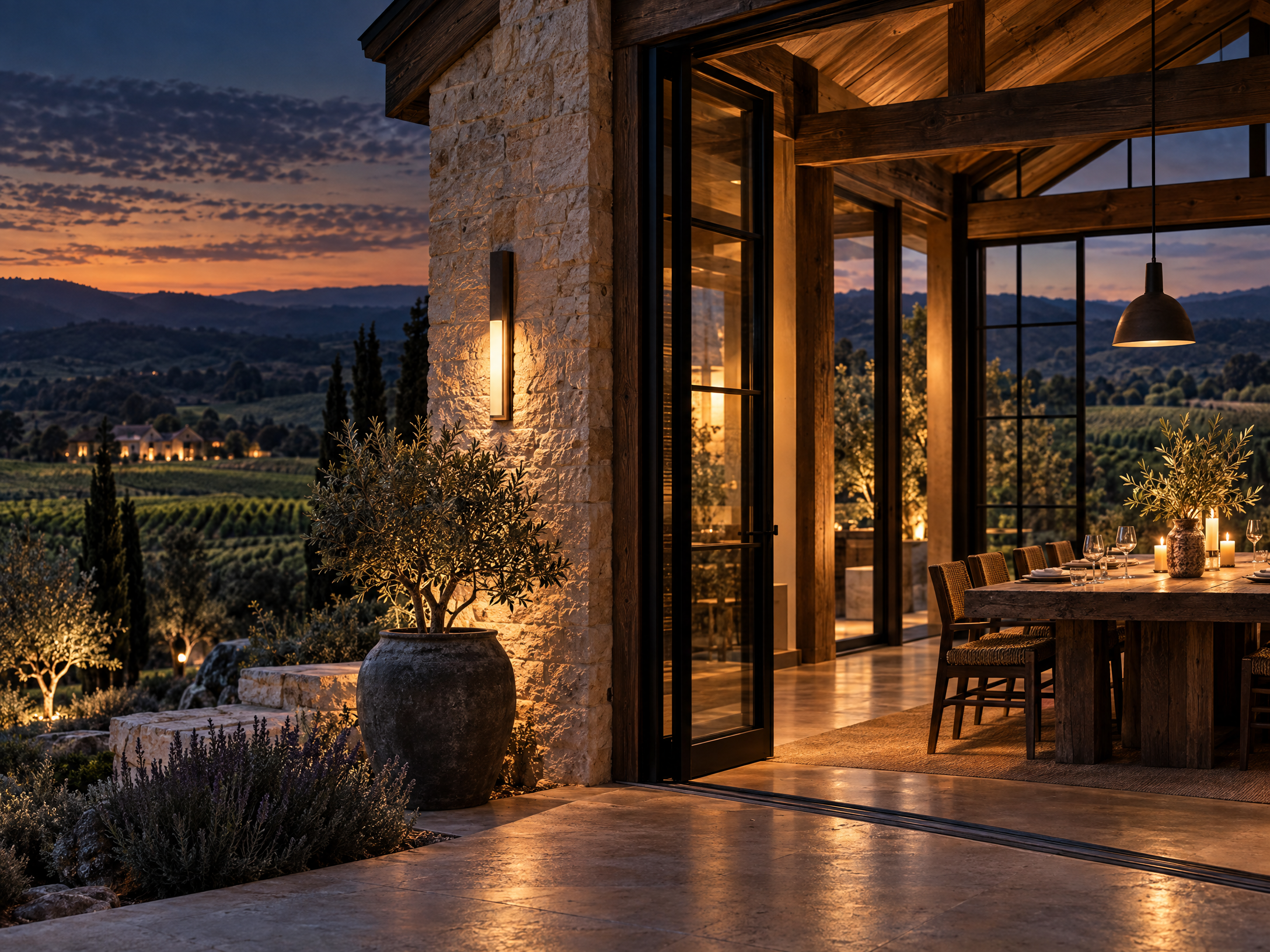
The most credible hospitality experiences leave space for their setting. They do not treat every surface as a campaign opportunity or every guest moment as a transaction. They make room for the landscape, for local food and makers, for the town’s own pace, and for a guest to find something without being instructed to admire it.
The Clayfield’s context is particularly useful because it connects a contemporary hotel to a broader local environment rather than presenting the property as an isolated destination. The original local report describes the project as a modern addition that its owners hoped would still respect the region’s history and agricultural, wine, and culinary traditions.[2]
That is not a claim of success on its own terms. It is the standard against which a place-based hospitality project should be assessed over time.
At Fast Town, we believe meaningful partnership is built the same way. It starts with a real setting, a clear role for each contributor, and an experience that becomes better because the relationship is there. The brand should not be the loudest element in the room. It should help the room make more sense.
Global reach earns its place when it gives local authorship more room to be felt—not when it turns a place into a backdrop for a familiar script.
Source note
This article uses Hyatt’s September 17, 2026 announcement, The Clayfield’s official site, and a September 11 local report from Niagara-on-the-Lake Local for stated opening, design, property, and local-context details.[1][2][3] It does not claim occupancy, revenue, guest satisfaction, bookings, event performance, room availability, marketing return, community impact, or a Fast Town relationship with Hyatt, The Clayfield, Clayfield Commons, Sid Lee Architecture, Terrain, the Hawley family, or the Feldberg family. Property and brand claims remain attributed to their sources.
References

Contributor
Phillip Mullennax
Journal contributor
Phillip Mullennax is listed as the author of this Fast Town Journal adaptation. His Leadership profile identifies his role in connecting editorial, media, analytics, and audience strategy across Fast Town’s public communications.
Learn more
Explore Fast Town’s public story around automobile culture, considered hospitality, place-led design, and the long view.
Continue the conversation
Related Articles
3 related articles
Partnerships and Culture · Culture and Performance
When a Brand Earns a Bigger Role in the Experience
By Phillip Mullennax
A bigger brand role works when it makes the guest experience more coherent—not merely more branded.
September 21, 2026 · 3 min read
Partnerships and Culture · Culture and Performance
The Best Hospitality Partnerships Improve the Day, Not the Logo Wall
By Phillip Mullennax
The strongest hospitality collaborations add to a guest’s experience before they ask for attention from the room.
September 2, 2026 · 5 min read
Partnerships and Culture
The Best Brand Activations Give People a Reason to Stay
By Phillip Mullennax
The strongest premium brand activations do not interrupt the experience. They make the experience better.
August 25, 2026 · 4 min read