
What a Concours Can—and Cannot—Confirm
By Phillip Mullennax · · 4 min read
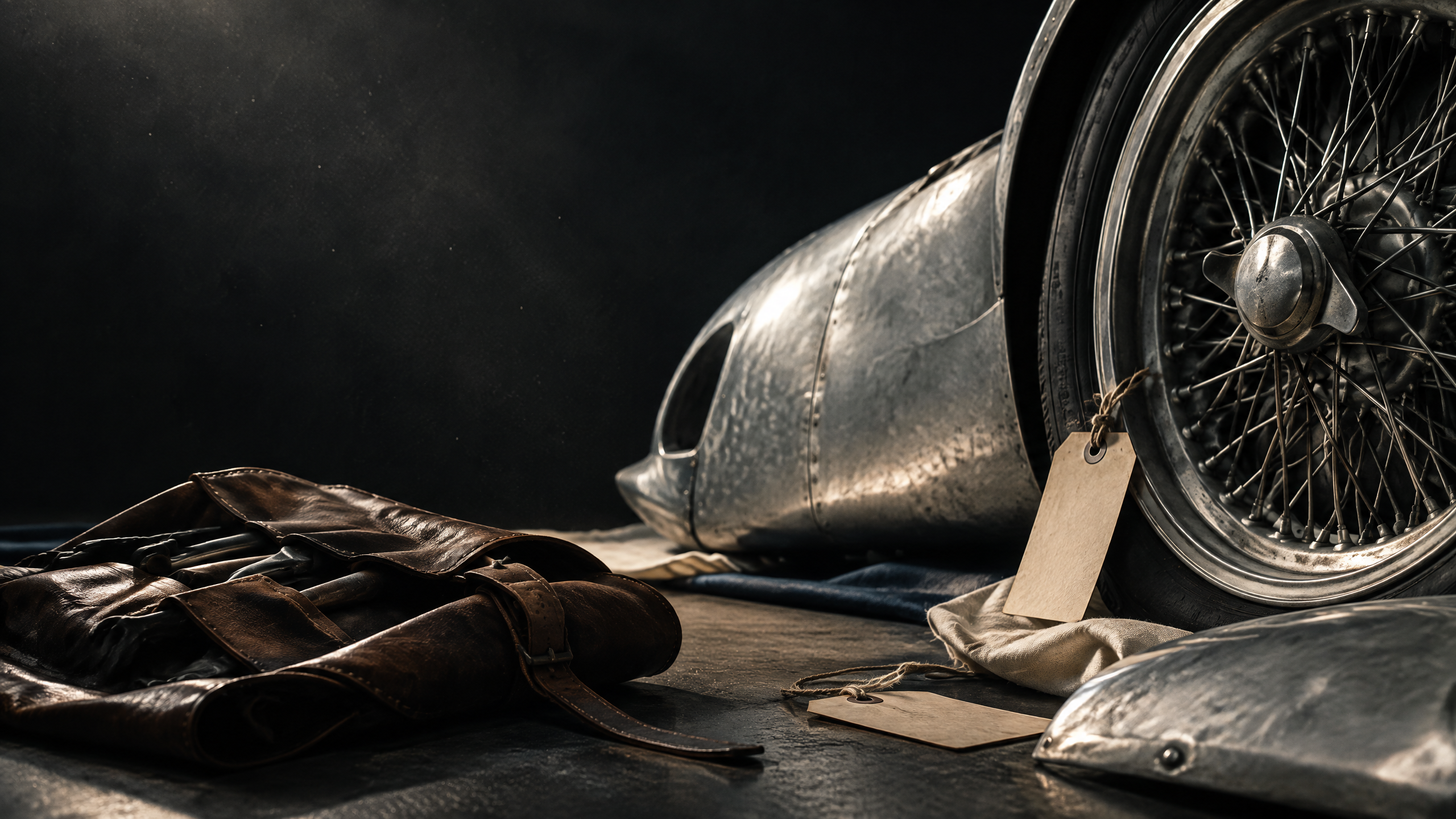
Public-safe editorial adaptation of the approved Fast Town Weekly ICP 1 release. Original editorial illustration for Fast Town. Not documentary photography; not a depiction of the FIAT 1100 Sport Mille Miglia, Festival Car, or any event vehicle. View the current source.
A concours award can focus serious attention on a car, but it cannot replace the documented identity, condition history, stewardship decisions, and evidence that make the story stand up over time.
A concours trophy can tell a collector that a car has earned serious attention. It cannot, by itself, complete the record behind that car.
That distinction is worth keeping in view after Stellantis Heritage Hub Italy announced that a FIAT 1100 Sport Mille Miglia received Best of Show at Festival Car 2026. The manufacturer said the international jury selected the car from around 95 entries and also awarded it the Senior class and FIVA Award.[1] Those are meaningful event results. They are not a replacement for the evidence a serious car should be able to carry with it: its documented identity, condition, stewardship decisions, and the limits of what anyone can actually verify.
The award is the news. The record is the longer story.
A trophy marks a moment
Concours results are designed to make a judgment visible. A jury looks at a car in a particular setting, at a particular time, against a particular field. That can sharpen public attention around design, condition, period character, and the discipline of presentation.
Stellantis said the FIAT’s Festival Car result reflected its historical significance, period racing appeal, and “impeccable state of preservation.”[1] That is the organiser/manufacturer account of the judging rationale, and it should be read that way. It is useful context. It is not an independent authentication report, a universal condition assessment, or a valuation.
For collectors, that distinction is not a technicality. It is the difference between admiring a result and knowing what the result can properly support.
The record has to stand on its own
A well-presented historic car should still be able to explain itself when the spotlight moves on. The questions are basic, but they are not superficial:
What facts establish the car’s identity? Which parts of the story are documented, and which are repeated without a primary record? What does the condition show about past care, preservation, repair, or restoration? Who has been responsible for the work, and what does the available documentation actually say?
The current Festival Car release does not identify this FIAT’s chassis number, build year, ownership, competition entries, restoration history, or chain of custody.[1] A careful reader should not fill those gaps with a romantic story just because the car has a famous name attached to it. “Mille Miglia” in the model name is not evidence of a specific race result. “Best of Show” is not a market conclusion.
A serious collector does not need a car to be stripped of mystery. They need the mystery to be honestly bounded.
Preservation is not a cosmetic category
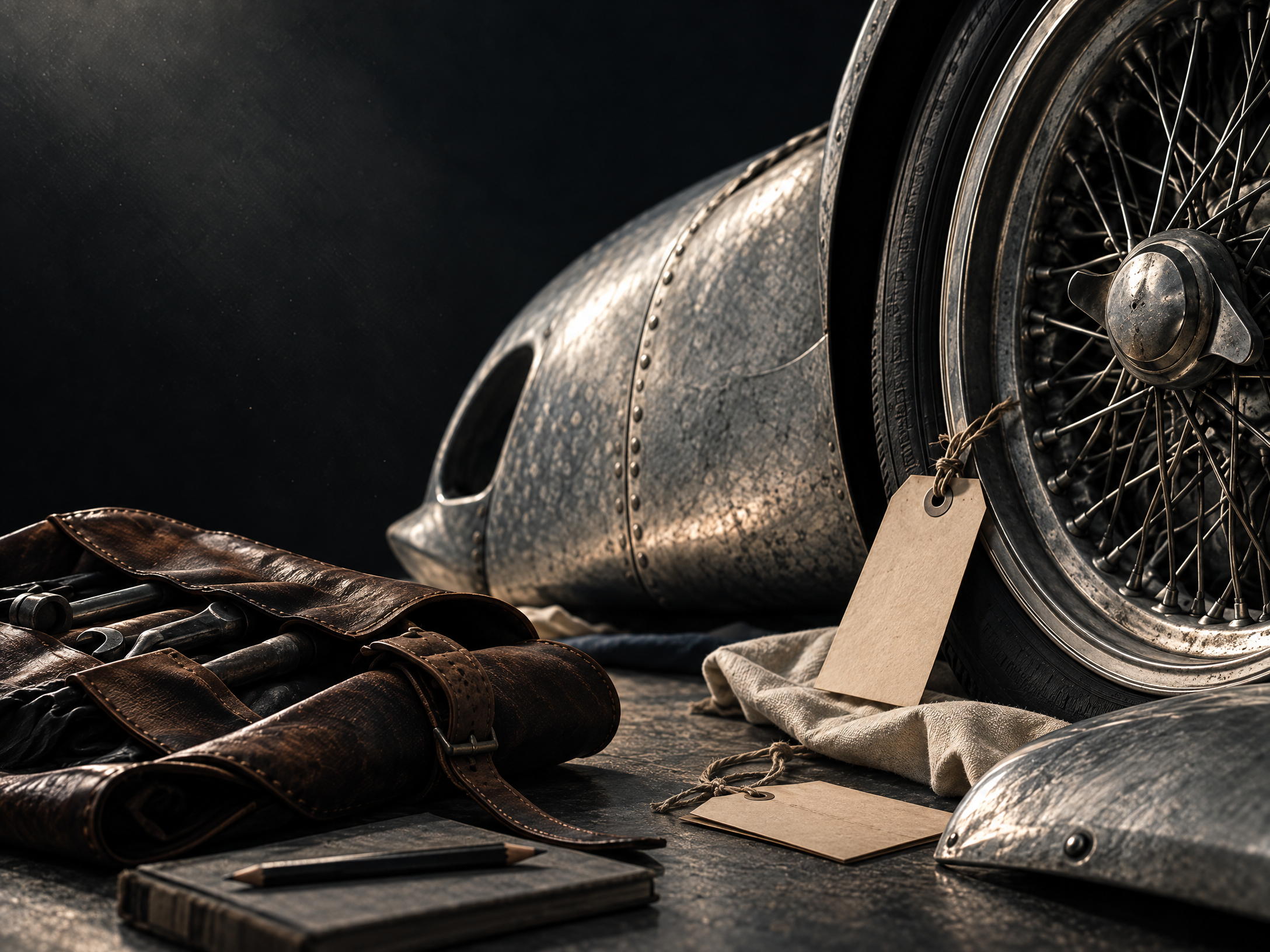
Preservation language often sounds simple until you ask what it means in practice. A car can be technically complete and still have an unclear story. It can look immaculate and still raise unanswered questions about material, repair work, or historical sequence. It can retain wear and still be carefully maintained.
The strongest stewardship decisions make the car more legible, not merely more polished. That may mean retaining evidence where it matters, recording work when intervention is necessary, and making sure the next caretaker inherits more than a collection of attractive surfaces.
That is why a concours result can be most useful as a prompt rather than a conclusion. It encourages a closer look at the line between visible condition and documented history. The line is where collector culture earns its credibility.
Heritage works best when it creates context
Festival Car was a FIVA-recognised International Concours d’Elegance held in Santena and Revigliasco Torinese, according to Stellantis.[1] Heritage Hub Italy also used the weekend to show a 1931 Lancia Artena and a 1951 Lancia Aurelia B20 GT, tying the event to a broader record of Italian automotive design and engineering.[1]
The most useful heritage settings do more than put rare objects in front of an audience. They help people see the standards around them: what gets preserved, what gets explained, and what deserves a careful second look.
At Fast Town, the larger idea is not that one trophy settles a car’s place. It is that automobiles hold their meaning when the physical object and the evidence around it remain connected. A car can be celebrated without being oversold. It can be beautiful without being reduced to a price signal. And it can carry history forward without asking the audience to accept more than the record supports.
A better question after the applause
The useful question after a Best of Show result is not simply, “How important is this car now?” It is, “What can this moment help us examine more carefully?”
The answer may be the design. It may be the endurance of a particular period of engineering. It may be the discipline it takes to preserve a vehicle without erasing the evidence of its life. Whatever the answer, the award is the beginning of the inquiry—not the end of it.
The best collector stories are not made larger by certainty they have not earned. They are made stronger by evidence, stewardship, and the restraint to let the record do the talking.
Source note
This article uses Stellantis Heritage Hub Italy’s September 29, 2026 release for the Festival Car result, the stated jury rationale, the approximately 95-car field, and the event context.[1] It does not make a claim about this FIAT’s chassis, build date, ownership, competition record, restoration history, provenance, authenticity, insurance value, sale price, market value, or investment performance. Fast Town has no stated affiliation with Festival Car, FIVA, Stellantis, Heritage Hub Italy, or the vehicle discussed.
References

Contributor
Phillip Mullennax
Journal contributor
Phillip Mullennax is listed as the author of this Fast Town Journal adaptation. His Leadership profile identifies his role in connecting editorial, media, analytics, and audience strategy across Fast Town’s public communications.
Learn more
Explore Fast Town’s public story around automobile culture, considered hospitality, place-led design, and the long view.
Continue the conversation
Related Articles
3 related articles
Automotive Culture
A Daughter’s Promise, A Cobra’s Return
By Phillip Mullennax
A long-dormant Cobra restoration becomes a story of family continuity, careful evidence, and the patient work of returning a car to the road.
September 22, 2026 · 4 min read
Automotive Culture
What a Competition Car Carries Forward
By Phillip Mullennax
The latest trophy is one line in a longer record. A 1928 Mercedes-Benz SSK shows why provenance, careful stewardship, and legible restoration give a competition car lasting meaning.
September 15, 2026 · 4 min read

Automotive Culture
What a Conserved Race Car Keeps That Restoration Can Lose
By Phillip Mullennax
A documented 1964 Alfa Romeo conservation project shows why historical evidence can matter as much as a flawless finish.
September 2, 2026 · 5 min read