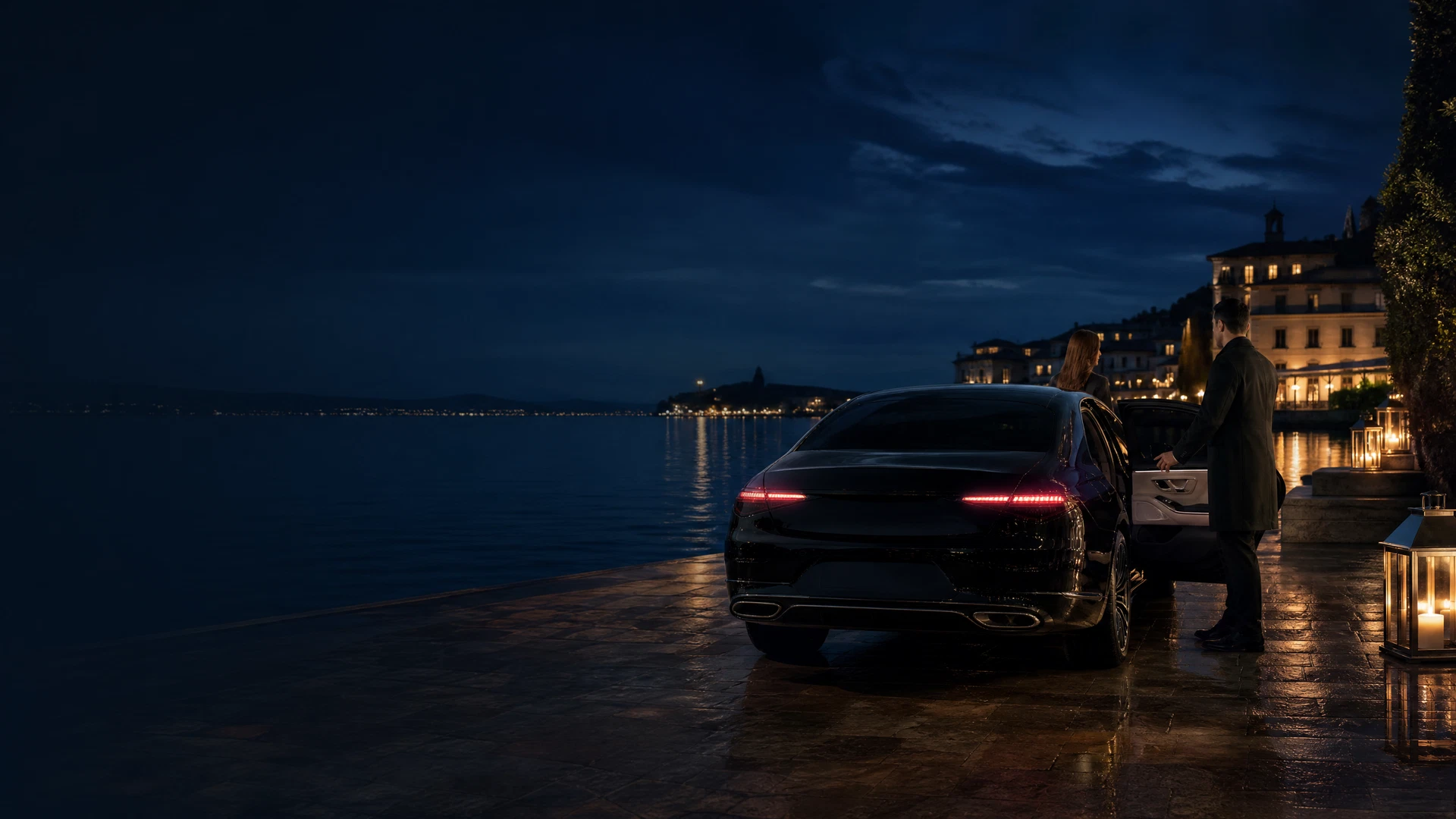
The road looks different in motion.
Official films, short features, and visual moments from the Fast Town point of view—built for the screen, made to be shared.
Latest episodes
Start with what’s moving now.
Select an official channel feature to watch here, or open YouTube for the full Fast Town TV library. Video playback is provided by YouTube.
Featured now · 0:52
Jacob and co Fast Town Daytona promo
Episode titles, thumbnails, and playback references are sourced from the official Fast Town TV channel.
Explore the full channelHow to engage
Choose your way into the story.
Fast Town TV is one way to follow the conversation. Watch the official channel, move into the Journal for perspective, or connect with the media team for approved information.
Watch the channel
Explore the official Fast Town TV channel for the current video library, Shorts, playlists, and channel updates.
Visit Fast Town TVFollow the story
Pair the moving image with Fast Town’s source-led Journal for context, ideas, and longer-form perspective.
Read the JournalStart a conversation
For approved information, imagery, or a media conversation, connect with the Fast Town team.
Contact Media
A future format for the long conversation.
Future format
All Throttle Podcast
A future home for screen-first conversations around technology, place, culture, and the decisions that shape what comes next.
More to come. This section does not announce episode availability, timing, guests, or distribution platforms.
Explore current Fast Town stories