When a Brand Earns a Bigger Role in the Experience
By Phillip Mullennax · · 3 min read
Fast Town Journal · Partnerships and Culture · Culture and Performance
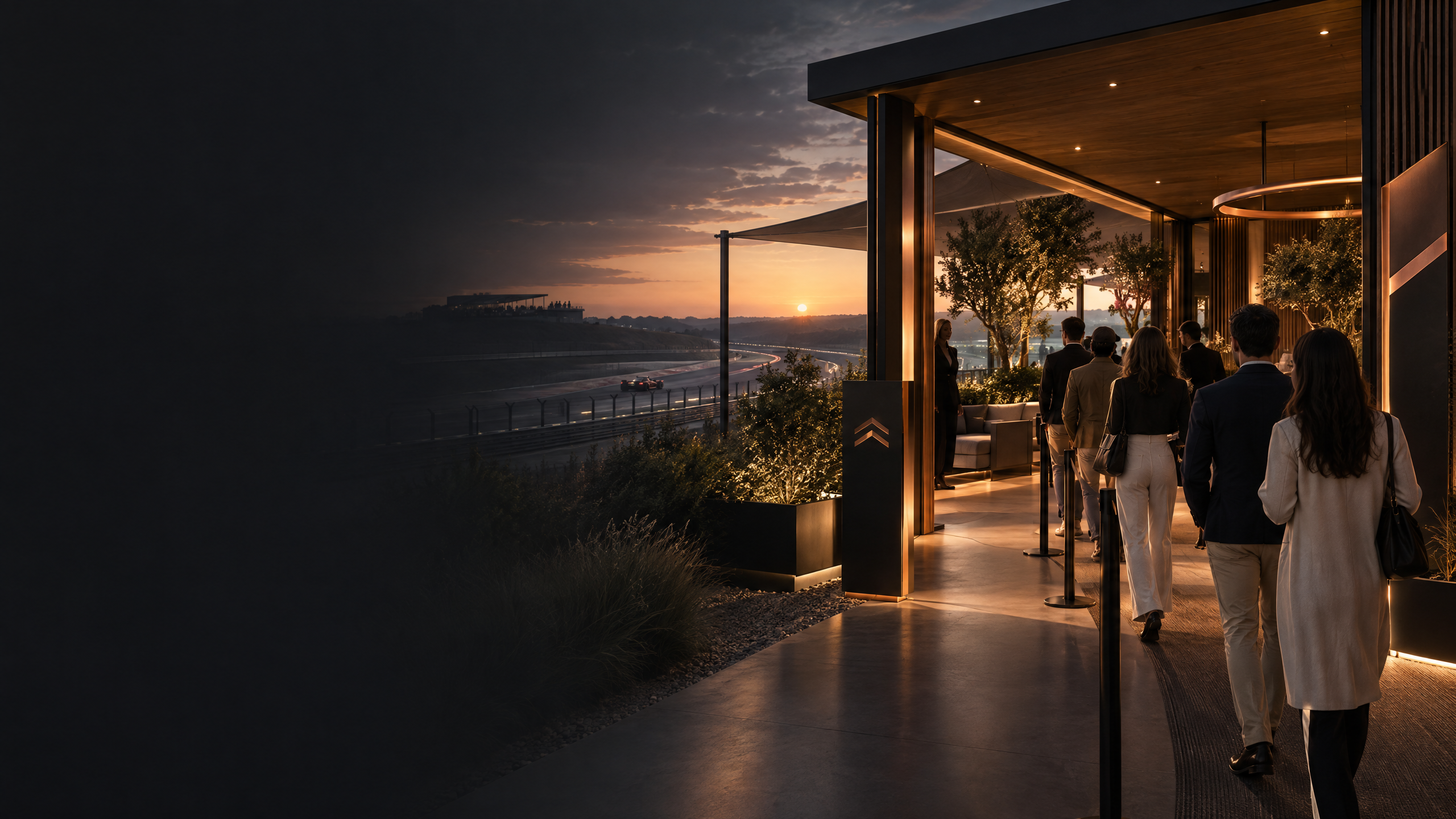
Original conceptual editorial illustration; not Miami Grand Prix, Hard Rock, or partnership imagery.
Public-safe editorial adaptation of the user-supplied approved Fast Town Weekly ICP final-release package. Original conceptual editorial illustration; not Miami Grand Prix, Hard Rock, or partnership imagery. View the current source.
A title partnership earns a larger role when it makes the guest journey more coherent—not merely more branded.
A brand can be visible at an event without ever becoming part of the experience. That difference matters. Guests notice the logo, but they remember whether the arrival made sense, whether the hosting felt intentional, whether the programming fit the setting, and whether the whole environment told one coherent story.
The September 1 announcement from South Florida Motorsports and Hard Rock International offers a timely case study. The companies said Hard Rock will become the title partner of the Formula 1 Hard Rock Miami Grand Prix beginning with the 2027 race. The announced agreement includes the official title and logo, podium, Fan Fest, trackside branding, and continuing live entertainment. [4]
That is a larger role than a logo placement. It requires a larger standard of execution.
The guest does not experience a partnership in pieces
A title agreement can be strategically important on paper. But a guest does not walk through a strategy. They move through a sequence.
They arrive. They orient themselves. They choose where to spend time. They encounter food, music, wayfinding, hospitality, crowd energy, and moments worth sharing. If those things feel disconnected, the brand relationship feels bolted on. If they work together, the partnership becomes part of the event’s character.
Katharina Nowak, President of the Formula 1 Hard Rock Miami Grand Prix, described the announced change as a new chapter after Hard Rock had been part of the race story from the beginning. [4] That history matters. A deeper role should feel earned because the relationship has already been expressed in the experience—not because the name on the sign is larger.
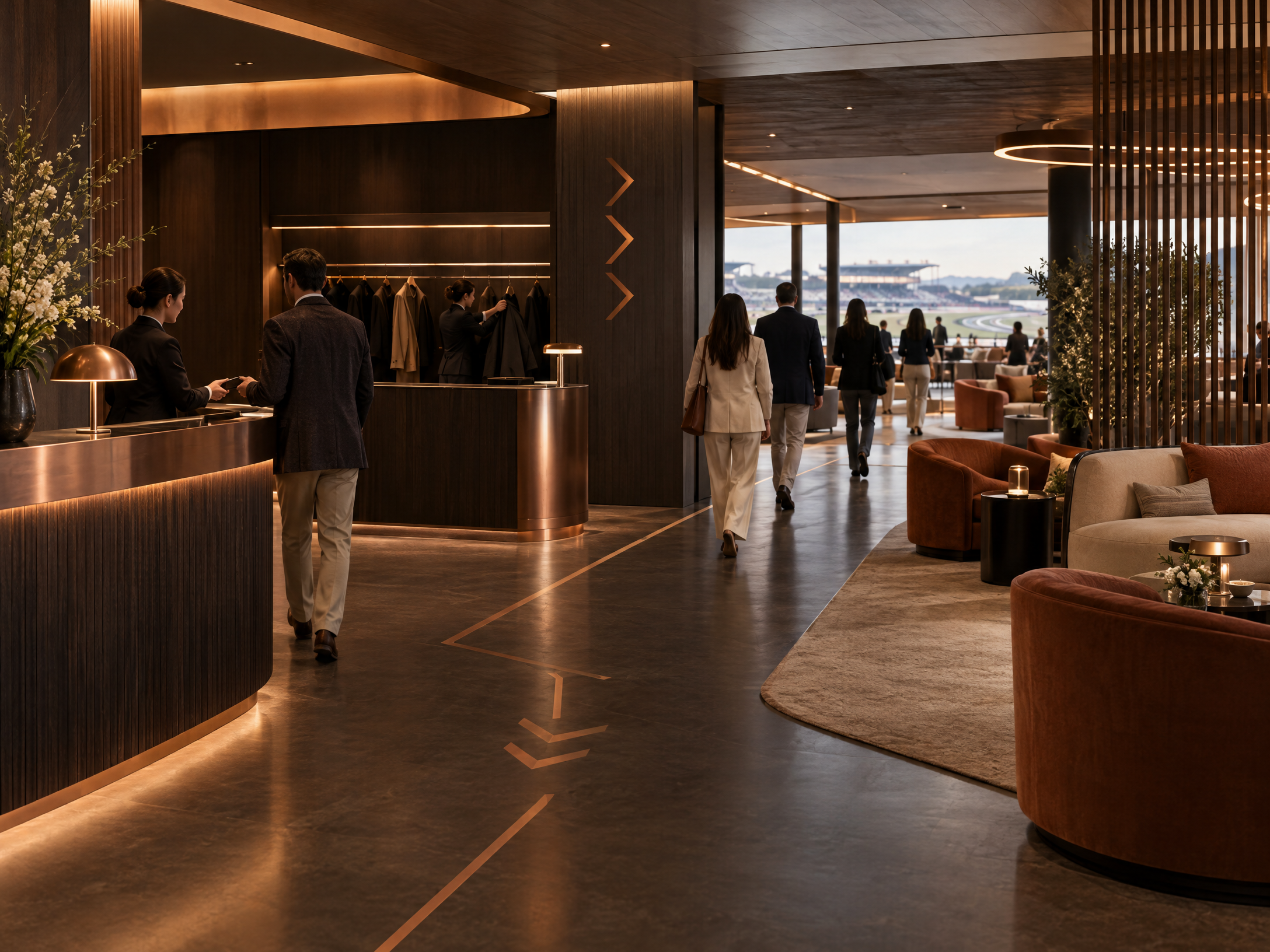
A bigger role needs a clearer point of view
The most useful question for a brand partner is not, “Where can our identity appear?” It is, “What can we make better for the person who shows up?”
Sometimes that answer is a better arrival. Sometimes it is hosting that feels more personal. Sometimes it is programming that gives an event a rhythm beyond the main attraction. The discipline is to make the relationship serve the experience rather than force the experience to serve the relationship.
The Miami announcement specifically references a broader set of branded moments, including the podium, Fan Fest, trackside presence, and continued live entertainment. [4] Those surfaces can either become scattered touchpoints or parts of one system. The difference is design, operating detail, and restraint.
Partnership is a long-term hospitality decision
The announcements that get the most attention are often the naming rights and the title changes. The long-term work happens elsewhere: in repeated guest journeys, in reliable standards, and in a willingness to keep improving the parts that visitors actually feel.
A title partner does not need to own every moment. In fact, the strongest relationships leave room for the main event, the local setting, and the guest’s own experience. They are confident enough to be present without being everywhere.
That is the lesson worth carrying forward. A bigger brand role works when it helps the experience become more coherent—not merely more branded.
The most credible partnerships are felt as a better guest journey. The name may open the conversation, but coherence is what earns the larger role.
Source note
This article uses Hard Rock International’s September 1 announcement for the stated multi-year agreement and the announced 2027 title-partnership start. It does not predict attendance, revenue, sponsor return, commercial performance, sales, guest satisfaction, venue capacity, or any Fast Town affiliation with the named organizations. [4]
References

Contributor
Phillip Mullennax
Journal contributor
Phillip Mullennax is listed as the author of this Fast Town Journal adaptation. His Leadership profile identifies his role in connecting editorial, media, analytics, and audience strategy across Fast Town’s public communications.
Learn more
Explore Fast Town’s public story around automobile culture, considered hospitality, place-led design, and the long view.
Continue the conversation
Related Articles
3 related articles
Partnerships and Culture · Culture and Performance
When Local Authorship Shapes the Stay
By Phillip Mullennax
A place-based stay becomes more credible when the local story informs the building, the table, the landscape, and the way people gather—not just the brochure.
October 5, 2026 · 4 min read

Partnerships and Culture · Culture and Performance
The Best Hospitality Partnerships Improve the Day, Not the Logo Wall
By Phillip Mullennax
The strongest hospitality collaborations add to a guest’s experience before they ask for attention from the room.
September 2, 2026 · 5 min read

Partnerships and Culture
The Best Brand Activations Give People a Reason to Stay
By Phillip Mullennax
The strongest premium brand activations do not interrupt the experience. They make the experience better.
August 25, 2026 · 4 min read