Why Motorsport Technology Still Needs a Room Full of Engineers
By Phillip Mullennax · · 4 min read
Fast Town Journal · Motorsport Engineering · Entrepreneurship
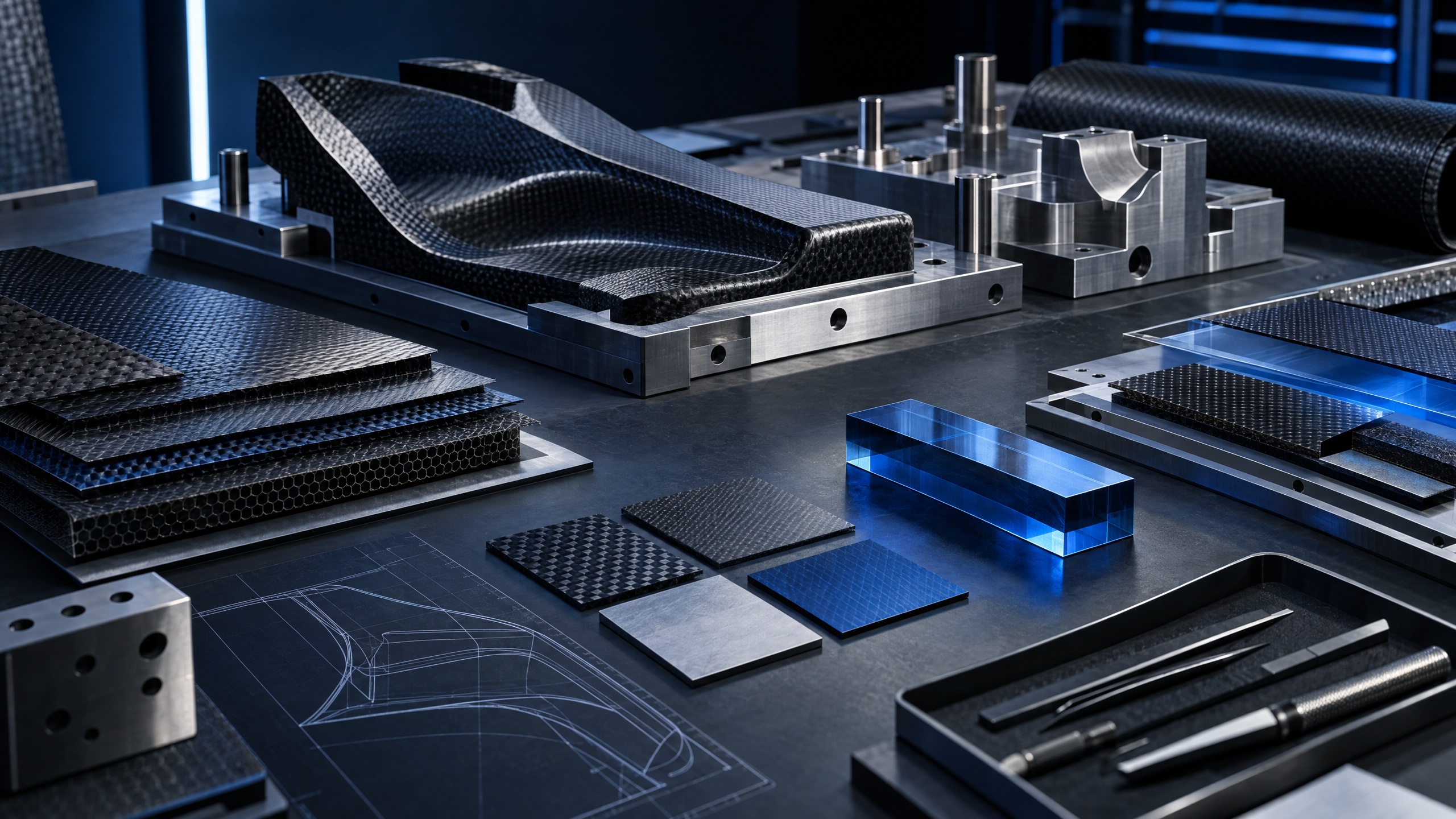
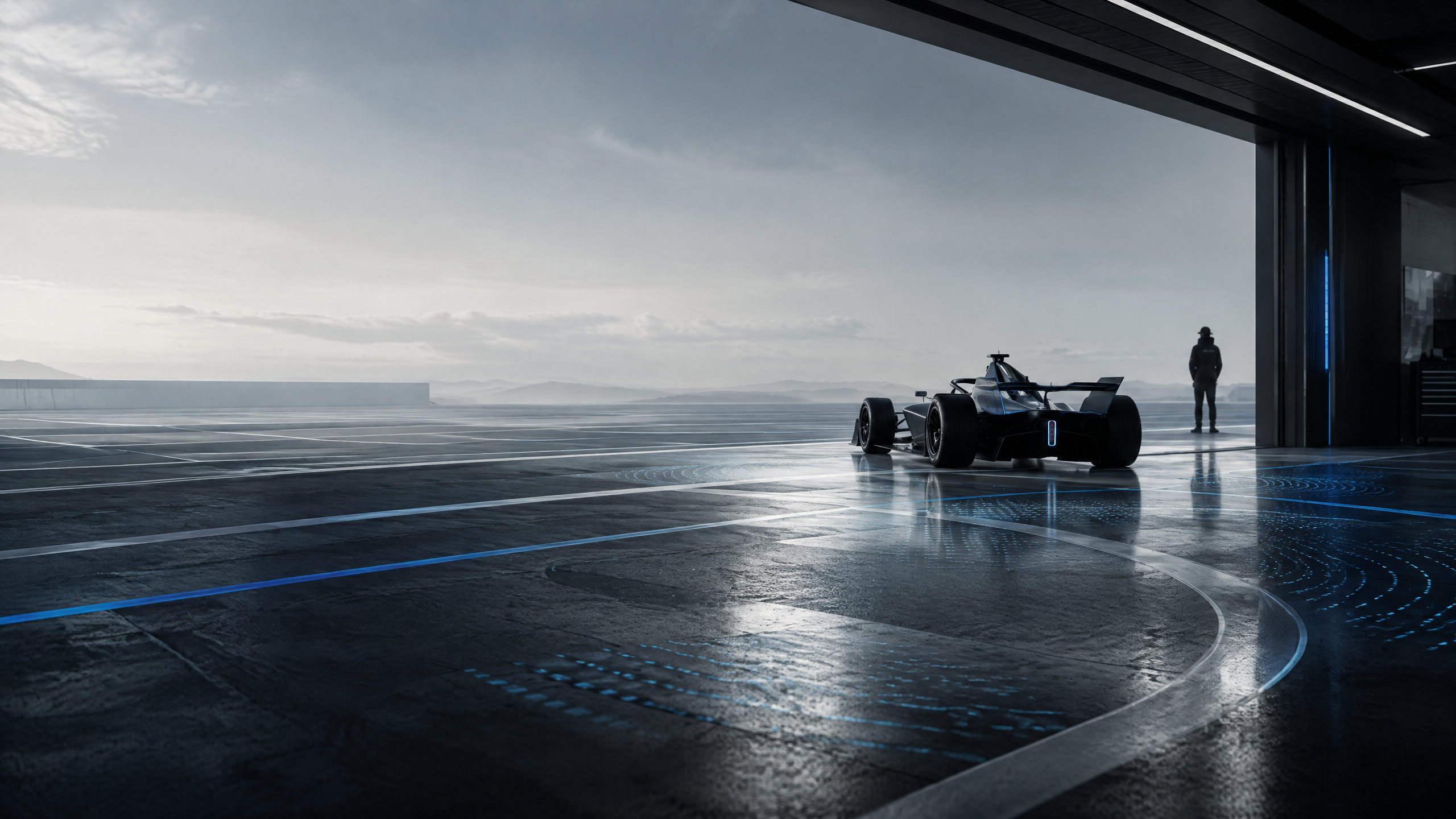
Public-safe editorial adaptation of the user-approved October 8, 2026 Fast Town Journal release. Original editorial illustration for Fast Town. Fictional and non-documentary. It does not depict MIA CTS, Silverstone, an exhibitor, a vehicle, product, or Fast Town activity. View the current source.
Technical progress is relational as well as technical: serious questions need a room, a shared context, and people prepared to identify what they do not yet know.
Motorsport ideas become usable products and durable supplier relationships when the people carrying the question can compare details in the same room. That is why a trade-only engineering show still matters. The Motorsport Industry Association lists MIA CTS for October 14–15, 2026 in Halls 1–3 of the Silverstone Wing, framing it as a trade-only show with more than 100 exhibitors and features, plus engineering and business speakers. [1] The value is not that a room replaces testing, design work, procurement, or delivery. It is that a room can make the next conversation more precise: who understands the requirement, what must be demonstrated, and whether the relationship can bear the work.
The page is an organiser’s current event description, not a guarantee of any attendee’s outcome.
The room behind the race
A race is the visible output. Much of the work that enables it is less visible: a component requirement clarified, a supplier capability tested against a real constraint, or an engineer hearing where a proposed solution will create a problem elsewhere. Those exchanges cannot be reduced to a badge scan or a polished presentation.
MIA describes CTS as a show created by the motorsport industry for the motorsport industry. Its event page says the exhibition brings together customers, suppliers, and buyers, and positions the Speakers’ Corner around engineering innovators and business leaders with interactive audience discussions. Those are MIA’s descriptions, not a guarantee of a particular outcome for any attendee. Still, the format points toward a practical truth: technical markets move through questions that are difficult to settle in isolation. [1]
For a founder-minded reader, that distinction matters. The useful question is not simply, “Who was in the room?” It is, “What kind of work can the room make possible after the conversation ends?” A useful encounter creates a clearer next step: exchange a specification, set a follow-up, define a test, introduce the person who owns the adjacent problem, or decide that the fit is not there. Each is more valuable than vague momentum.
What trade-only actually changes
“Trade-only” should not be treated as a stamp of superiority. It is a boundary around the type of conversation the organizer is asking participants to have. MIA says CTS is an industry-only business event for executives, engineers, and buyers, and that delegates must represent a business and register with a job title and work email; the page also says students, school pupils, and people under 18 will be refused entry. [1]
That stated scope changes the conversational baseline. People can begin with operating context rather than public explanation. A supplier can ask what process is failing. A buyer can ask whether a claimed capability survives the commercial and practical conditions around it. An engineer can test whether the language around a material, tool, or system has enough substance to justify the next meeting.
None of that removes the need for diligence. A room does not validate a claim, establish quality, or substitute for reference checks, test data, contracts, and internal review. It can, however, expose where those questions need to go. That is a more disciplined use of proximity than treating an event as proof that a technology—or a relationship—is ready.
Why material conversations still matter
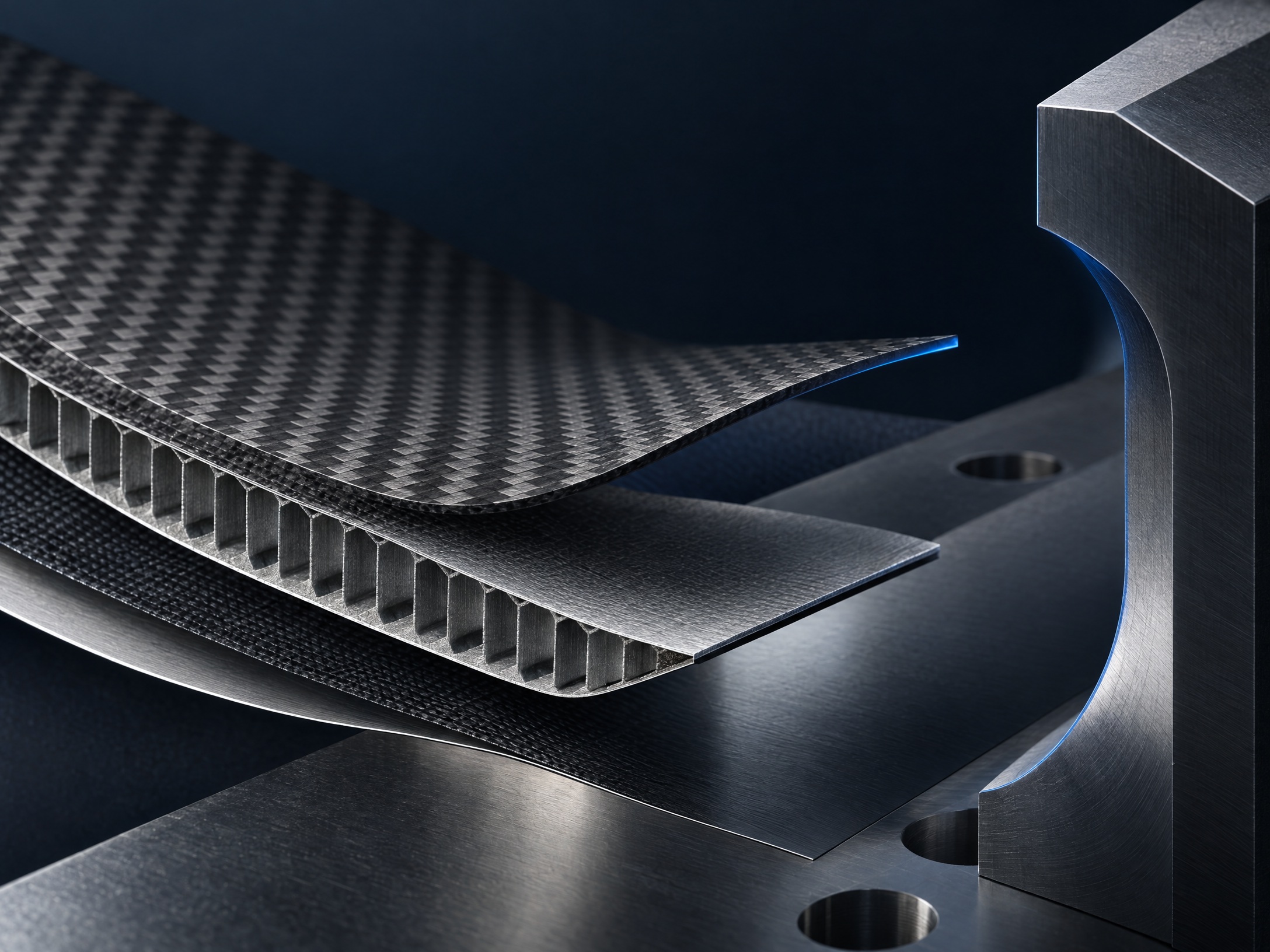
Technical work carries detail that is easy to flatten when it travels only as marketing language. A short conversation beside a sample, drawing, or interface can reveal whether two people mean the same thing by “lightweight,” “repeatable,” “serviceable,” or “ready.” The point is not that every exchange must produce an agreement. Often the highest-value result is finding the assumption that needs to be tested before anyone commits time or reputation.
MIA says CTS exhibitors and features will showcase motorsport and high-performance engineering products and innovations, while the event’s speakers program will run across the two days. That scope makes the show a relevant lens rather than an endorsement of any company, product, or speaker. It also makes clear why the venue matters less than the working behavior inside it: prepared questions, honest limits, follow-through, and a shared understanding of what happens next. [1]
Performance environments as relationship infrastructure
The most useful performance environments are not defined by spectacle. They create conditions for specific people to compare specifics. In motorsport engineering, that means making room for the hard middle of progress: the gap between an attractive concept and a dependable working relationship.
That middle requires more than access. It requires context, preparation, and the willingness to say that a question remains open. A technical community becomes stronger when it protects that kind of exchange—when a founder can meet a skeptical engineer without pretending the answer is complete, or when a buyer can state a constraint without turning it into a public performance.
MIA CTS is therefore worth reading as a current example of how the industry convenes, based on MIA’s stated trade-only format, Silverstone Wing location, and engineering-and-business focus. Its broader lesson is not that every serious relationship starts at an event. It is that relationships become useful when the setting supports careful questions and accountable next steps. [1]
Key takeaway
Real trade rooms matter because technical progress is relational as well as technical. The MIA’s stated CTS format offers a clear example: a business-focused setting where engineers, suppliers, buyers, and business leaders can put a question in front of the people who can sharpen it. The measure is not footfall or excitement. It is whether the conversation leaves both sides with a clearer requirement, a credible next action, and a reason to continue the work. [1]
Fast Town point of view
Fast Town’s editorial view is straightforward: high-trust performance environments should make serious conversation easier, not noisier. The value is in the conditions for comparison—clear context, respect for expertise, and room for people to identify what they do not yet know. That is relationship infrastructure. It should be judged by the quality of the questions it supports and the accountability of what follows, not by surface-level access or association.
Source note
All event date, venue, format, attendance-scope, exhibitor-and-feature count, and speaker-program statements in this article are attributed to the Motorsport Industry Association’s MIA CTS event page. This is independent editorial commentary. It does not state or imply Fast Town or Phillip Mullennax attendance, affiliation, partnership, membership access, ticket access, hosting, endorsement, or commercial relationship with MIA, CTS, Silverstone, exhibitors, speakers, or event partners. No outcome is predicted.
References

Contributor
Phillip Mullennax
Journal contributor
Phillip Mullennax is listed as the author of this Fast Town Journal adaptation. His Leadership profile identifies his role in connecting editorial, media, analytics, and audience strategy across Fast Town’s public communications.
Learn more
Explore Fast Town’s public story around automobile culture, considered hospitality, place-led design, and the long view.
Continue the conversation
Related Articles
3 related articles
Motorsport Culture · Women in Motorsports
Beth Paretta and the Work of Leading Through a Technical Reset
By Phillip Mullennax
Beth Paretta’s expanded role is a useful lens on the work of leading a motorsport team through a technical-platform change.
October 7, 2026 · 4 min read

Motorsport Culture · Women in Motorsports
Tuta Mionki and the Quiet Work of an FIA Steward
By Phillip Mullennax
A former rally co-driver, Tuta Mionki built toward stewarding through training, FIA High Performance Programme experience, and observation at Formula 1 and WRC events.
October 7, 2026 · 4 min read
Motorsport Culture · Culture and Performance
When a Racing Technology Company Becomes a Team
By Phillip Mullennax
Moving from the pit lane to the grid changes the job. The work is no longer only the technology—it is the operating system that has to make it perform together.
October 4, 2026 · 4 min read