
Economic Scale Is Not a Development Brief: Four Questions for a Waterfront Destination
By Phillip Mullennax · · 3 min read
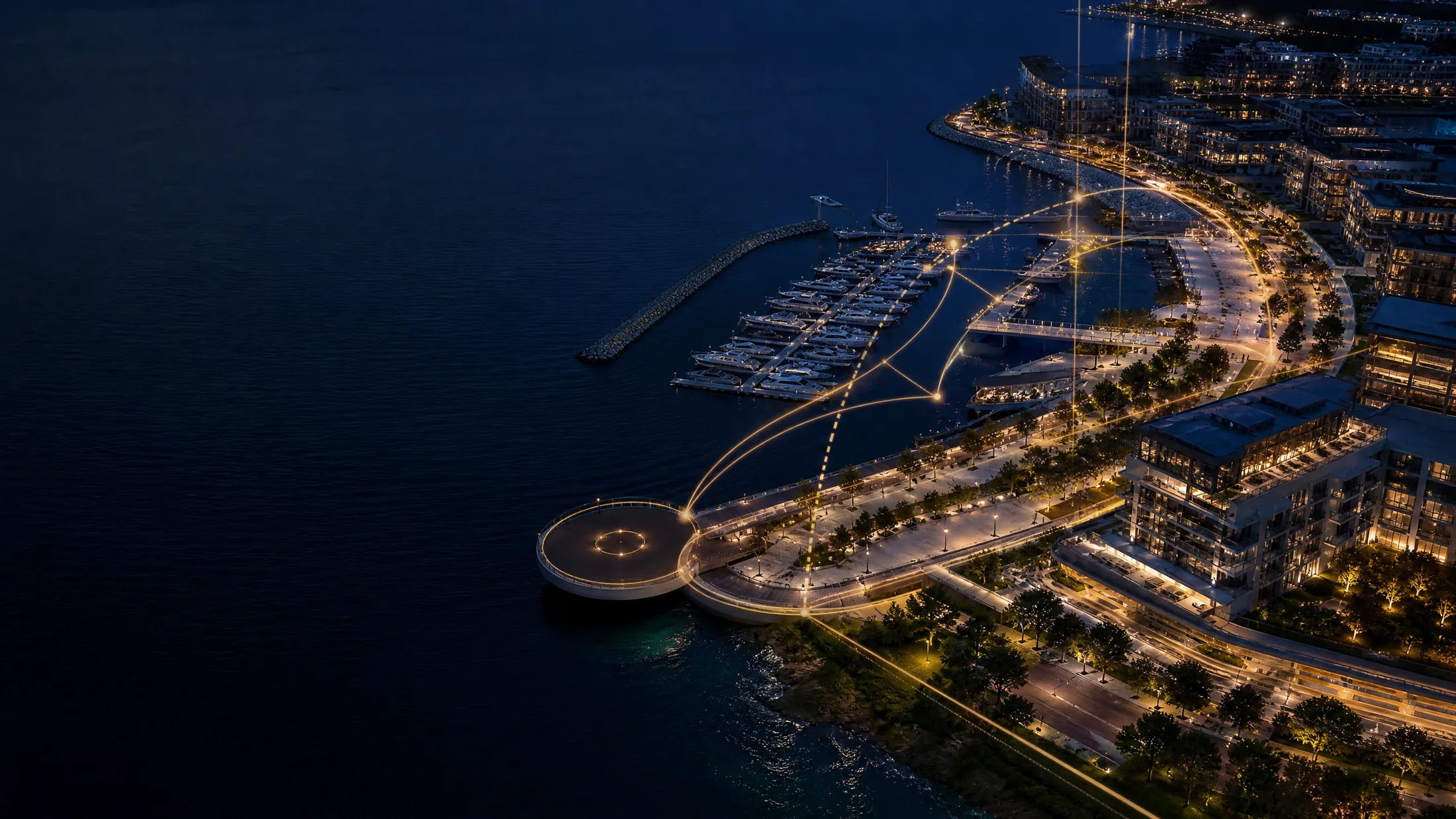
Fast Town Journal · Development · Investment / REIP
Public-safe editorial adaptation of the Fast Town Journal index entry dated August 19, 2026. The source detail-page template displays July 30, 2026; the live index date is retained here for archive fidelity. View the current source.
Economic scale can be useful context. It is not a substitute for the questions a waterfront destination must answer about access, utilities, information, operations, and public realm.
What must stay functional when conditions change?
Before a render becomes a promise, identify the experiences and services that cannot simply disappear. A waterfront destination is a system of systems: architecture, access, utilities, information, operations, public realm, environmental conditions, and human decisions.
That is a framing device, not an engineering, permitting, feasibility, insurance, or investment conclusion. The durable question is what the place needs to keep doing well before, during, and after conditions change.
Where are the dependencies and handoffs?
A place can look complete while relying on fragile handoffs between access, utilities, operations, and decision-making. Dependencies deserve to be named before their failure modes become someone else’s surprise.
The useful planning work is not to promise resilience from an image. It is to make responsibilities, information paths, and decision points visible enough for qualified teams to examine.
What information is needed—and who can act on it?
Readiness is informational as well as physical. Teams should be able to identify what conditions are monitored, how information moves, who has authority, and what a member, guest, operator, or neighbor experiences while a system responds.
A framework can make those questions clearer. It cannot replace current local guidance, professional review, or the authority responsible for a real-world decision.
How does the public realm remain credible over time?
A credible public realm asks more than whether a waterfront view photographs well. It asks how access, planting, lighting, shoreline conditions, circulation, and operations continue to support people over time.
Florida’s growth story may be worth following, but it cannot by itself answer the destination question. The standard is proportionate, source-led thinking about what the place must continue to do well.
Source note
This source-led article is general education. It does not offer engineering, permitting, feasibility, insurance, investment, or site-specific waterfront advice. The source page describes its visuals as conceptual editorial images rather than documentary evidence of a Fast Town location.

Contributor
Phillip Mullennax
Journal contributor
Phillip Mullennax is listed as the author of this Fast Town Journal adaptation. His Leadership profile identifies his role in connecting editorial, media, analytics, and audience strategy across Fast Town’s public communications.
Continue the conversation
Related Articles
3 related articles
Development · Technology and Design
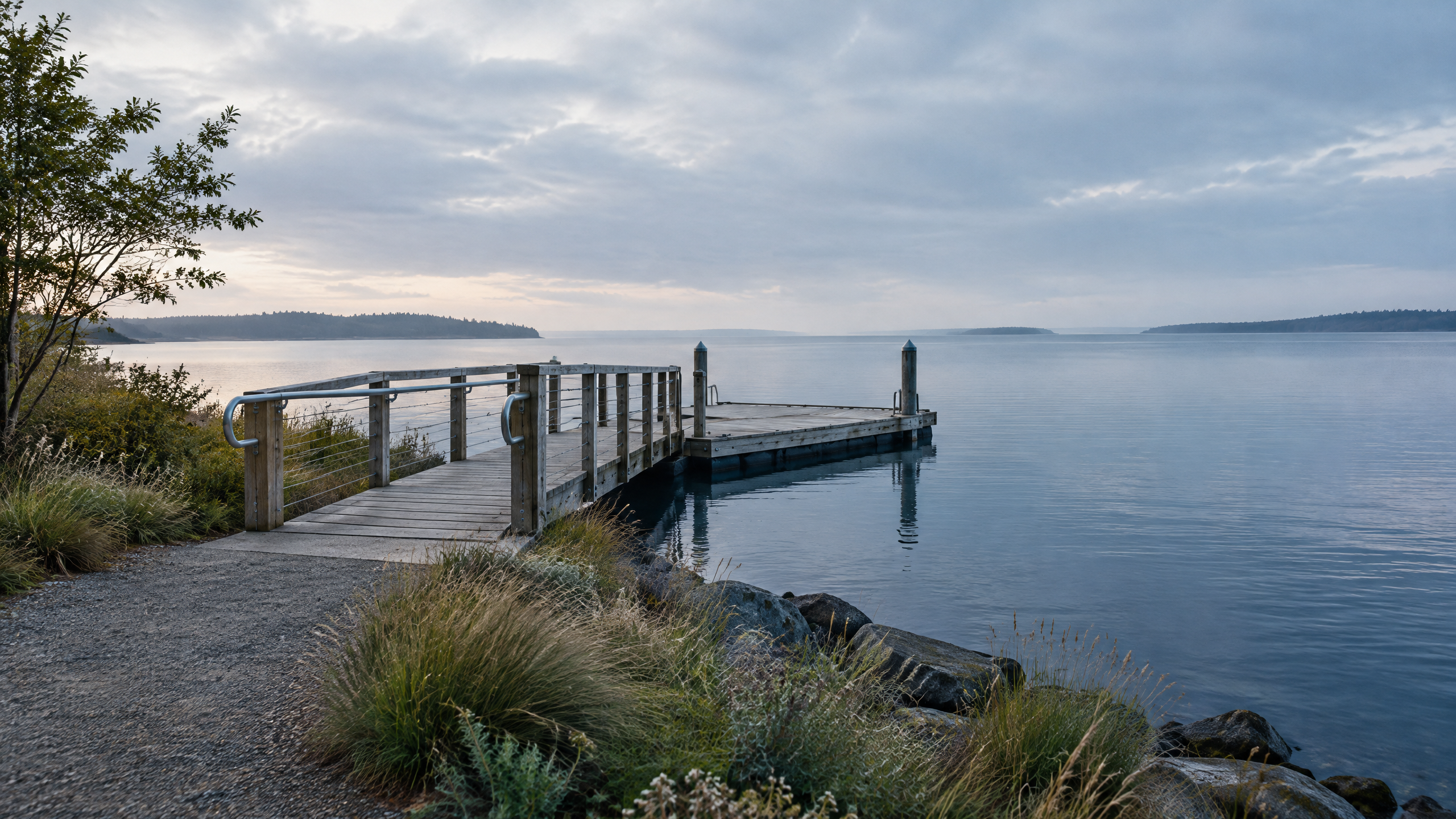
Waterfront Access Starts at the Threshold
By Phillip Mullennax
A waterfront becomes part of daily life through the small transitions that make shore, dock, path, and water feel connected.
October 3, 2026 · 4 min read
Development · Technology and Design
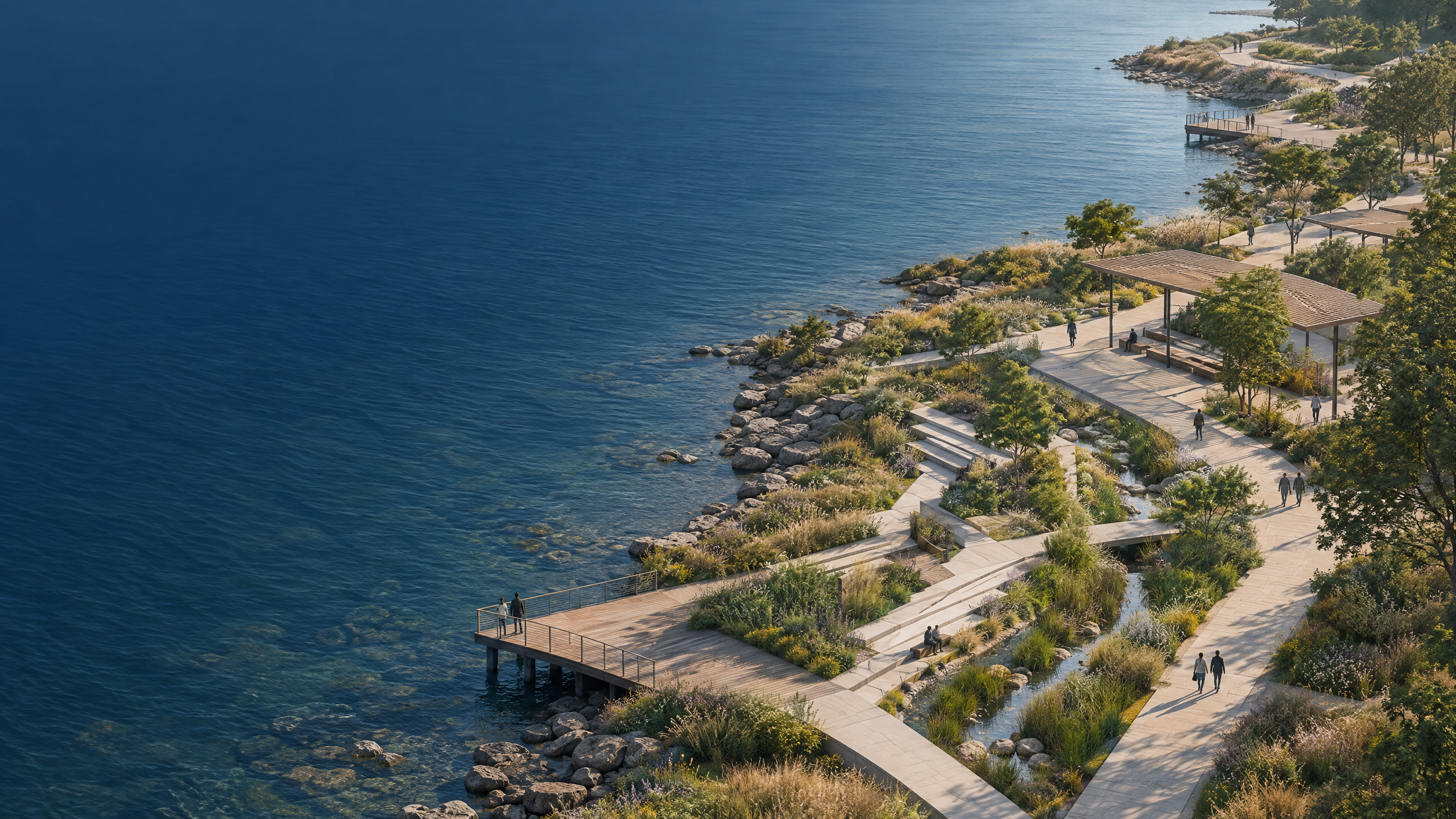
A Waterfront Plan Has to Work Before It Can Impress
By Phillip Mullennax
A waterfront has to serve real daily life before it can become a lasting destination.
September 17, 2026 · 4 min read

Development
The Day After the Storm: A Waterfront Readiness Conversation Before the Doors Open
By Phillip Mullenax
A general educational framework for treating coastal readiness as an evidence threshold, not a visual impression or a map result.
August 17, 2026 · 6 min read