
What Concours Winners Teach About Provenance and Preservation
By Phillip Mullennax · · 4 min read
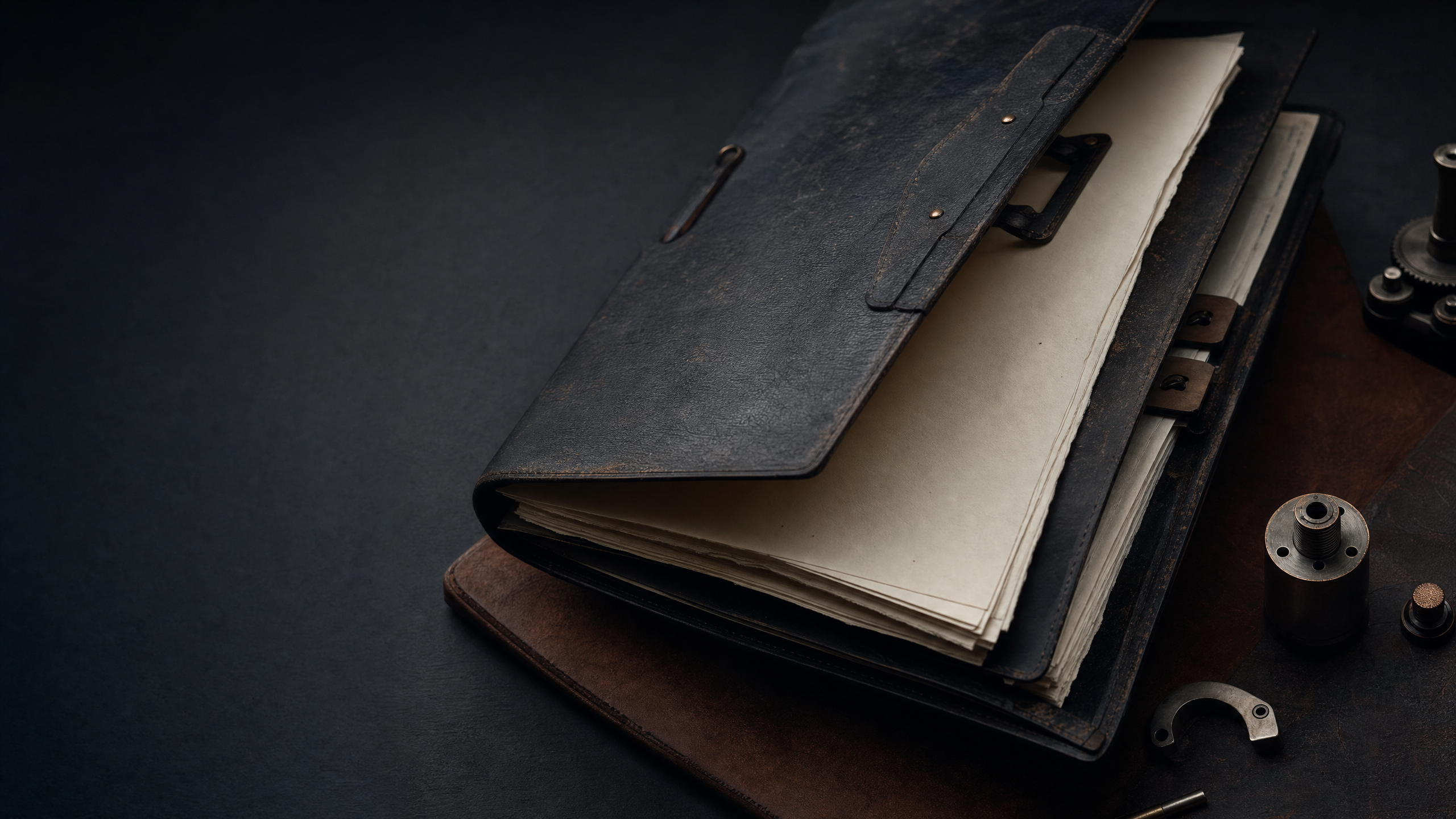
Fast Town Journal · Automotive Culture
Public-safe editorial adaptation of the user-approved Week 1 Search Ready Review Package published August 25, 2026, with the approved conceptual hero image and source context retained. View the current source.
A recent Pebble Beach winner is a reminder that collector cars earn their place through provenance, preservation, and the patience to get the details right.
A collector car becomes historically credible when its provenance, preservation, and presentation reinforce one another. Rarity may open the conversation, but the record behind the car is what makes the story last.
People say a car is rare as if that settles the question. It does not.
A rare car can still have a thin story. The records may be incomplete. The restoration may have taken more out than it put back. The presentation may be all polish and no proof.
The cars that stay with you are different. Their stories hold together.
That was the thing I kept coming back to after the 1935 Duesenberg SSJ Special Speedster won Best of Show at the 75th Pebble Beach Concours d’Elegance. MotorTrend reported that the car is one of two SSJs built, had once belonged to Clark Gable, and had been returned to its original black lacquer finish over light saddle leather.
The record matters
Collectors know the difference between a good story and a good record. A good story is easy to repeat. A good record takes work. It shows where a car came from, what happened to it, and why the details you are looking at now deserve your trust.
That does not mean every car needs a famous owner or a trophy cabinet. It means the history, the mechanical choices, and the restoration need to make sense together.
Preservation is not the same thing as making something new
The hardest part of preservation is knowing when to leave something alone. There is always a temptation to improve: newer materials, brighter finishes, cleaner lines. But the goal should not be to make an old car look new. The goal should be to help people understand what it was—and what it has been through.
A serious restoration does not erase the past. It gives the past a chance to be seen properly. A finish, a trim choice, a piece of hardware, a record in a file—none of it is glamorous on its own. Together, it tells you whether the car has been handled with respect.
Presentation has a job to do
At their best, concours events give people a chance to see the work. A well-presented car makes the engineering easier to read. It lets you notice proportion, material, and period detail. It gives context to the decisions that were made along the way.
The best owners, restorers, and historians are not trying to shout over one another. They are trying to make the object legible. You do not just keep something. You keep its story intact.
The best collector stories are not rushed. They are built slowly, checked carefully, and carried forward by people who know the difference.
Questions readers ask
What makes a collector car historically credible?
A clear provenance record, preservation decisions that respect the original object, and a presentation that helps people understand the evidence all matter more than scarcity alone.
Why does preservation matter to collectors?
Preservation keeps the material and historical evidence visible. The goal is not to make an old object look new; it is to help people understand what it was and what it has been through.
Source note
The reported event context in this article is attributed to MotorTrend — 1935 Duesenberg SSJ Wins Best of Show at the 2026 Pebble Beach Concours d’Elegance. Fast Town has no stated affiliation with the source, event, people, or brands mentioned.

Contributor
Phillip Mullennax
Journal contributor
Phillip Mullennax is listed as the author of this Fast Town Journal adaptation. His Leadership profile identifies his role in connecting editorial, media, analytics, and audience strategy across Fast Town’s public communications.
Learn More About Fast Town
Explore the Fast Town vision and the ideas shaping the Journal. If you would like to start a conversation, contact the Fast Town team.
Continue the conversation
Related Articles
3 related articles
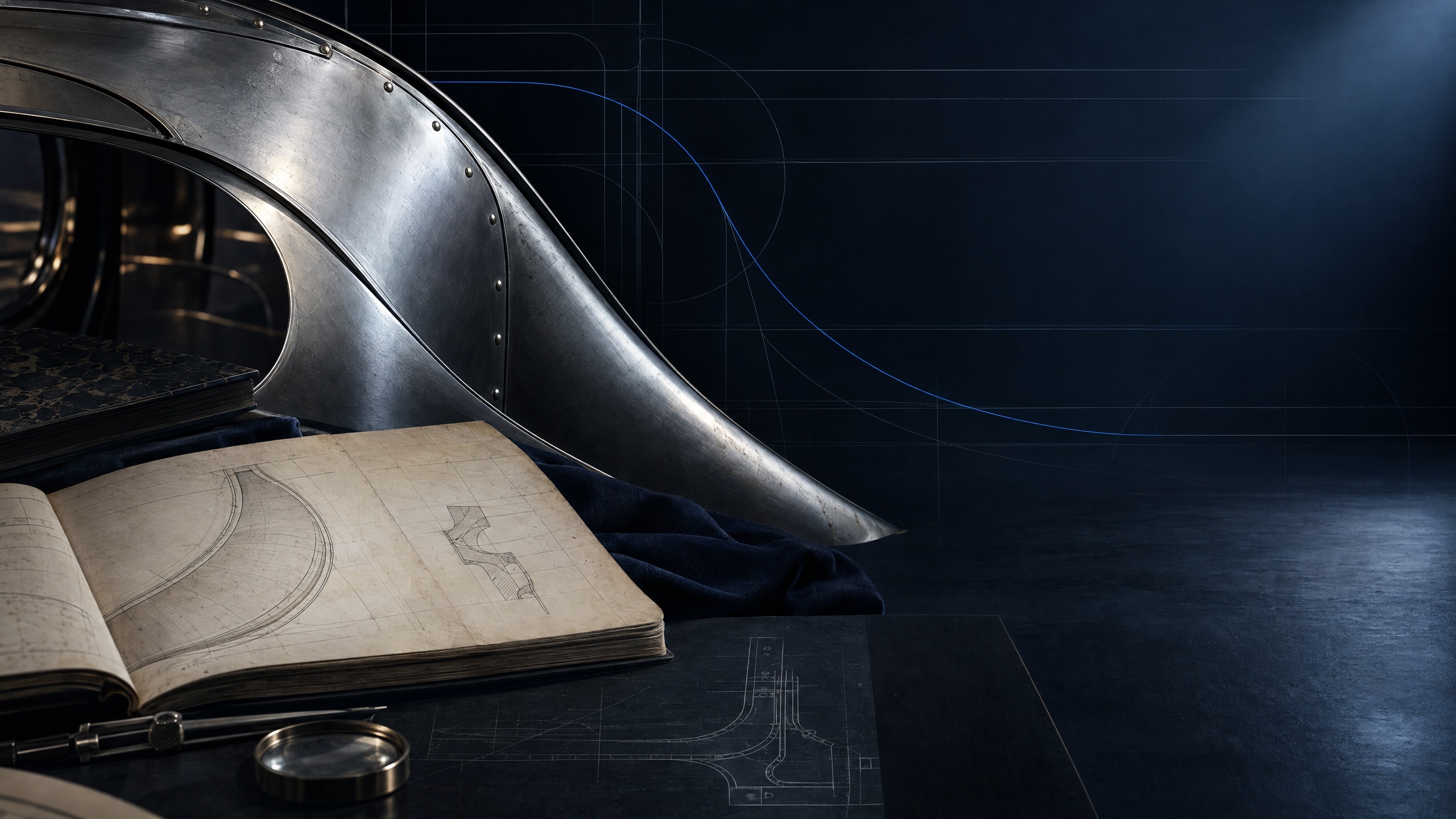
Automotive Culture · Collector Cars · Provenance & Coachwork
Before the Hammer: Reading Lot 389’s Duesenberg Provenance Record
By Phillip Mullennax
RM’s Lot 389 offers a clear pre-sale lesson: read the Murphy body, ownership record, composite-engine description, and title disclosure as one provenance story.
October 8, 2026 · 5 min read
Automotive Culture
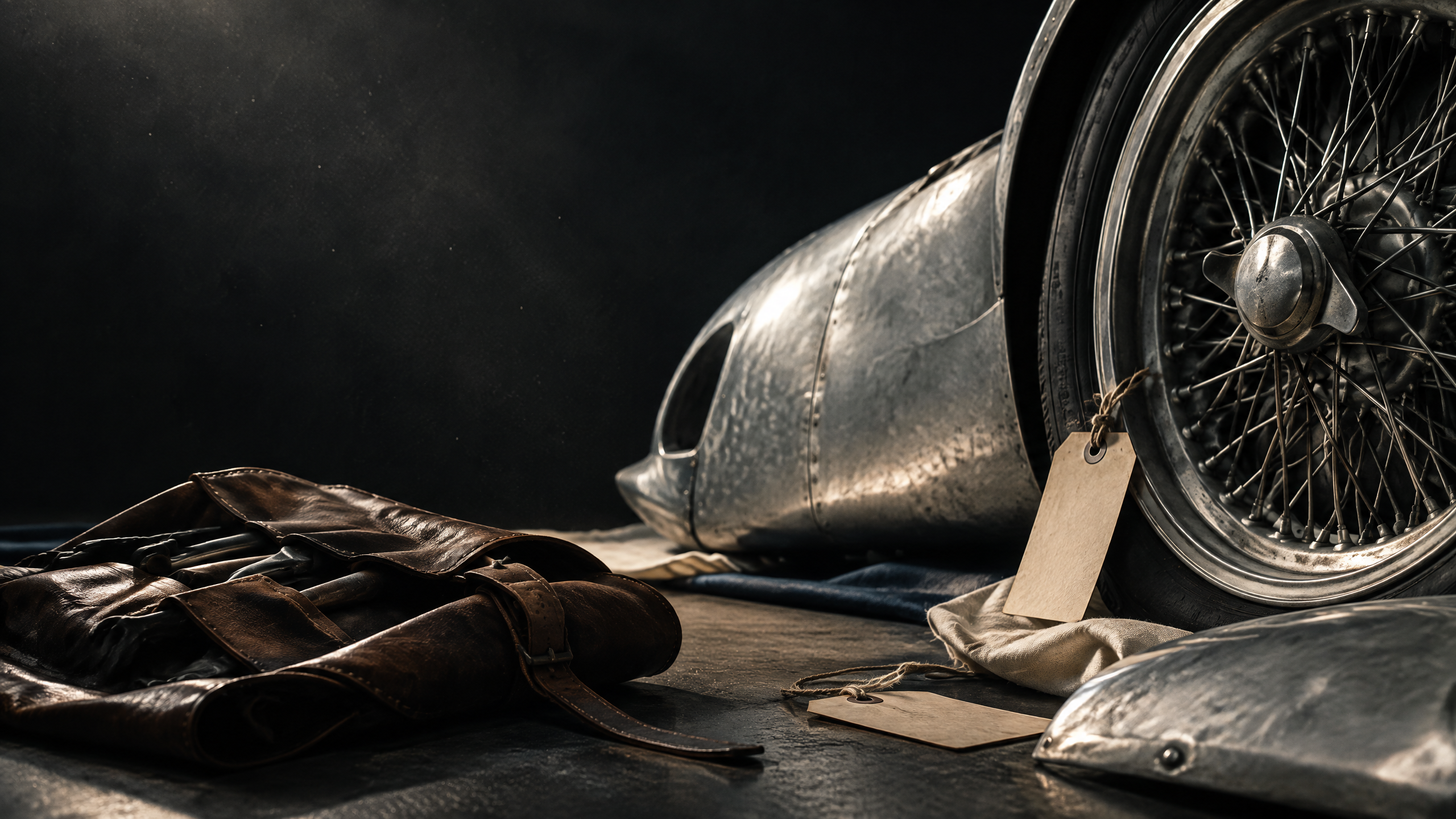
What a Concours Can—and Cannot—Confirm
By Phillip Mullennax
A concours trophy can focus attention on a car. The record behind it—identity, condition, stewardship, and evidence—is what lets the story stand up over time.
October 1, 2026 · 4 min read
Automotive Culture
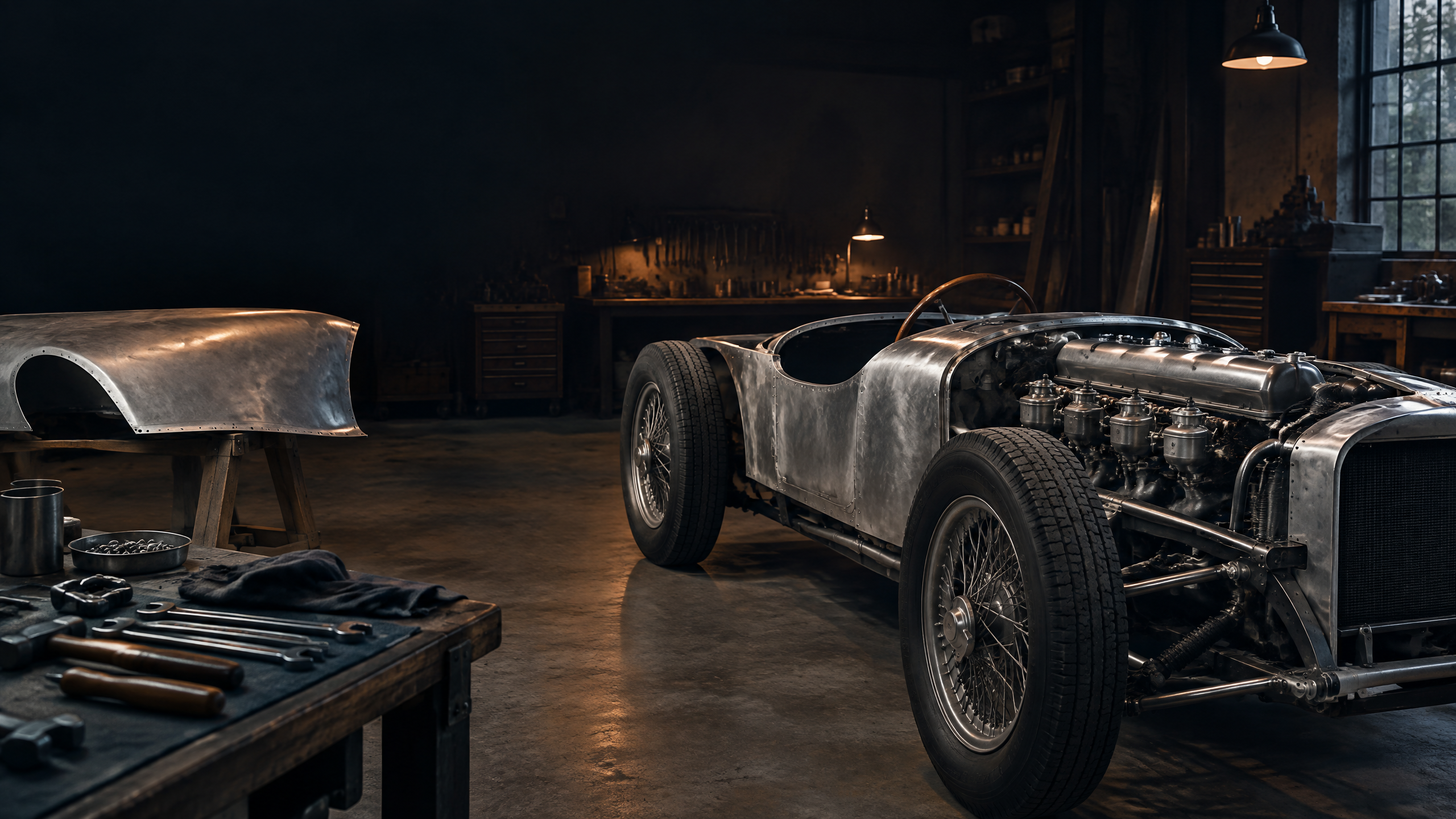
A Daughter’s Promise, A Cobra’s Return
By Phillip Mullennax
A long-dormant Cobra restoration becomes a story of family continuity, careful evidence, and the patient work of returning a car to the road.
September 22, 2026 · 4 min read