Motorsport Hospitality Is About More Than the Suite
By Phillip Mullennax · · 4 min read
Fast Town Journal · Culture and Performance
Public-safe editorial adaptation of the user-approved Week 1 Search Ready Review Package published August 25, 2026, with the approved conceptual hero image and source context retained. View the current source.
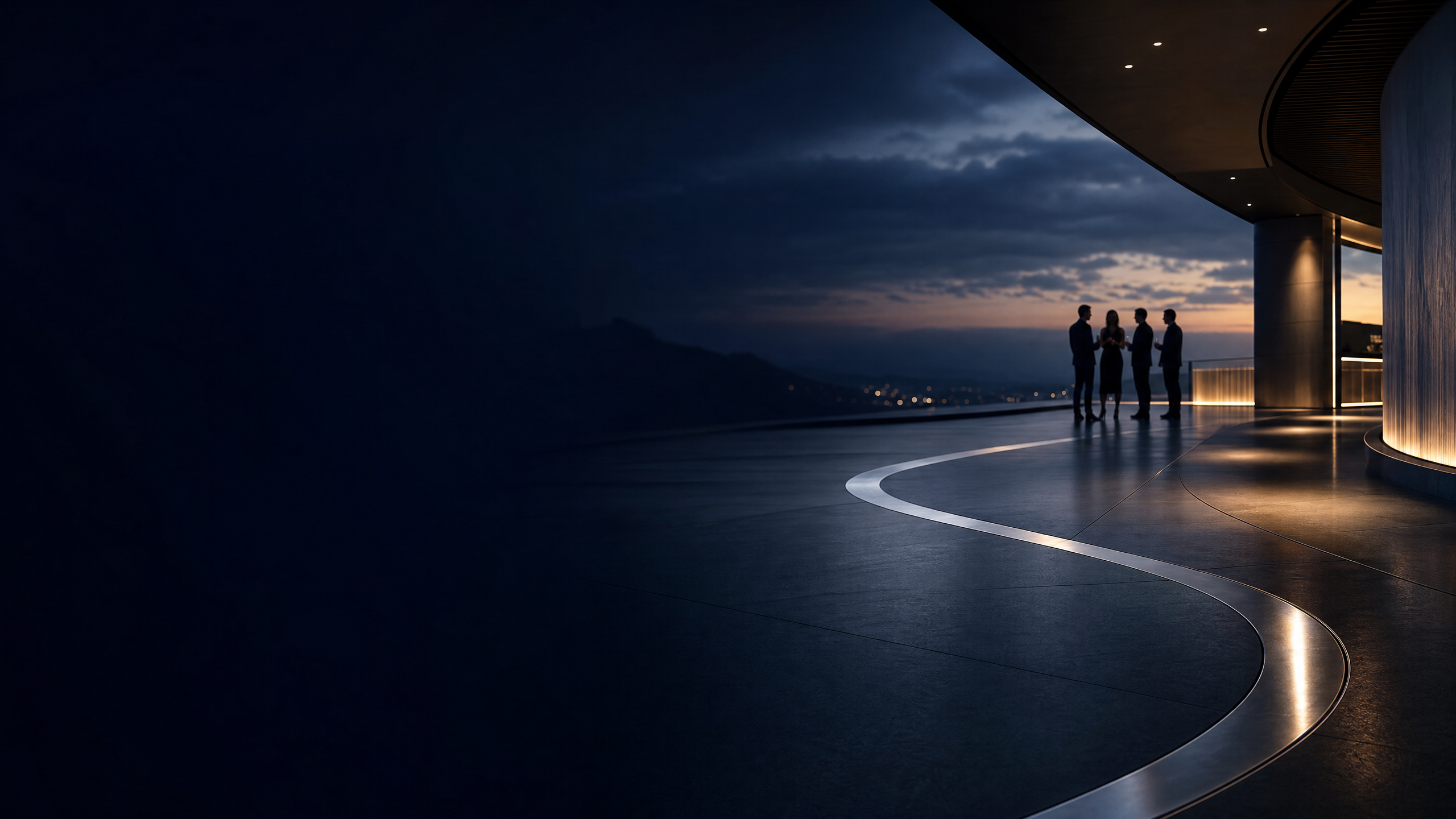
Motorsport hospitality works when it creates a real setting for shared attention, useful conversation, and relationships that do not feel manufactured.
Motorsport hospitality works best when it creates a setting around a shared standard of performance. Access may bring people into the room, but a thoughtful host, the right rhythm, and a real reason to gather are what make the relationship stick.
There is a lot of expensive hospitality around motorsport. Most of it looks good. Not all of it means much.
The difference is not usually the view, the menu, or the credential around someone’s neck. It is whether the experience gives people a real reason to be there together.
Sports Business Journal recently covered the level of sponsor, guest, and partner activity around the Freedom 250 Grand Prix in Washington, D.C. That is normal for a major race weekend. What is more interesting is what these environments can do when they are built well.
Performance gives people something real to talk about
Racing is useful because the work is visible. Preparation matters. Teams either communicate or they do not. Small mistakes have consequences. There is nowhere to hide behind a polished presentation when the clock starts.
That gives people a common language before they ever get to business. Founders understand it. Engineers understand it. Operators understand it. Anyone who has tried to build something under pressure understands it.
The suite is not the strategy
A suite can be part of a great experience. It can also be a very expensive waiting room. The better question is what happens around it.
Who is in the room? Why were they invited? Is there a host who knows how to bring people into the conversation? Is there time to talk without every minute being programmed? Does the day feel like it was designed for the people there, or does it feel like the same package delivered to everyone?
Good hospitality is not about piling on more access. It is about getting the rhythm right: a little anticipation, a little quiet, the right moment to bring people together, and the right moment to let them watch the race and stop talking altogether.
What people remember
No one leaves a race weekend remembering every screen in the room or every item on the menu. They remember whether the people around them were interesting, whether the host had taste, and whether the experience respected their time.
That is the opportunity in performance environments. They can be a place for people to compare notes, make introductions that matter, and spend time around people who care about doing things well.
The best hospitality does not create a crowd. It creates a reason for the right people to spend time together.
Questions readers ask
What makes motorsport hospitality more than a premium suite?
The experience needs a purpose beyond access: relevant guests, a thoughtful host, room for real conversation, and a shared connection to performance, preparation, and teamwork.
What do guests remember after a race weekend?
They tend to remember whether the people were interesting, whether the environment had taste, and whether the experience respected their time—not every feature of the room.
Source note
The reported event context in this article is attributed to Sports Business Journal — IndyCar gets A-List treatment as Freedom 250 GP nears starting line. Fast Town has no stated affiliation with the source, event, people, or brands mentioned.

Contributor
Phillip Mullennax
Journal contributor
Phillip Mullennax is listed as the author of this Fast Town Journal adaptation. His Leadership profile identifies his role in connecting editorial, media, analytics, and audience strategy across Fast Town’s public communications.
Learn More About Fast Town
Explore the Fast Town vision and the ideas shaping the Journal. If you would like to start a conversation, contact the Fast Town team.
Continue the conversation
Related Articles
3 related articles

Community / Florida
Pensacola Recovery: Start With the Information That Is Current
By Phillip Mullennax
Current recovery guidance for Pensacola and Escambia County: safety, water, debris, permitting and a clearly separate contractor notice from Healthy Homes Public Adjusting.
October 13, 2026 · 5 min read
Hospitality Design · Brand Partnerships
Hospitality in Motion: What The Out Lap Shows About Environment Before Logo
By Phillip Mullennax
The enduring lesson is not a format to copy. It is the order of operations: environment, journey, host discipline, then brand presence.
October 8, 2026 · 5 min read
Lifestyle
What Lasts After the Event: The Community Standard Behind Great Automotive Gatherings
By Phillip Mullenax
A considered look at how invitation, setting, hospitality, and the subject itself can create a more lasting automotive gathering.
August 17, 2026 · 6 min read