Danica Patrick: The Race Record Behind the Firsts
By Phillip Mullennax · · 4 min read
Fast Town Journal · Motorsport Culture · Women in Motorsports
Public-safe editorial adaptation of the user-supplied Danica Patrick current Journal final-review package. It retains the approved source-linked race record, quotations, licensed authentic editorial images, and informational Fast Town CTA without representing an affiliation, endorsement, offering, investment opportunity, transaction, membership availability, outcome, or guarantee. View the current source.
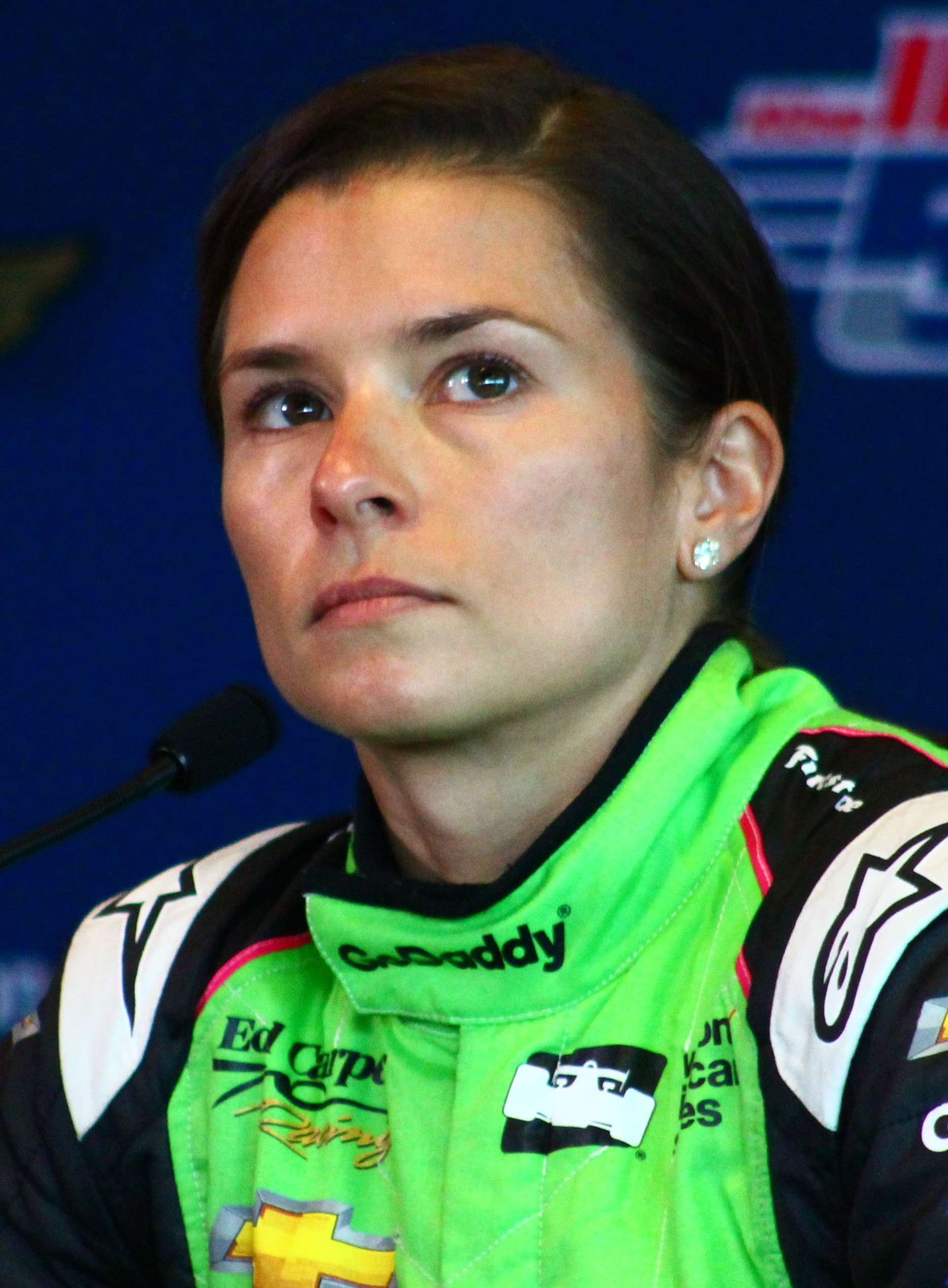
Danica Patrick’s legacy rests on a documented record across IndyCar, the Indianapolis 500, and NASCAR: leading 19 laps and finishing fourth in her 2005 Indianapolis 500 debut, winning at Motegi in 2008, finishing third at Indianapolis in 2009, and winning the 2013 Daytona 500 pole before finishing eighth in the race.
The record, at a glance
The results behind the firsts
19
Laps led
2005 Indianapolis 500 [1]
1st
IndyCar win
2008 Motegi [2]
3rd
Indianapolis 500 finish
2009 result [5] [6]
196.434
mph pole lap
2013 Daytona 500 [3]
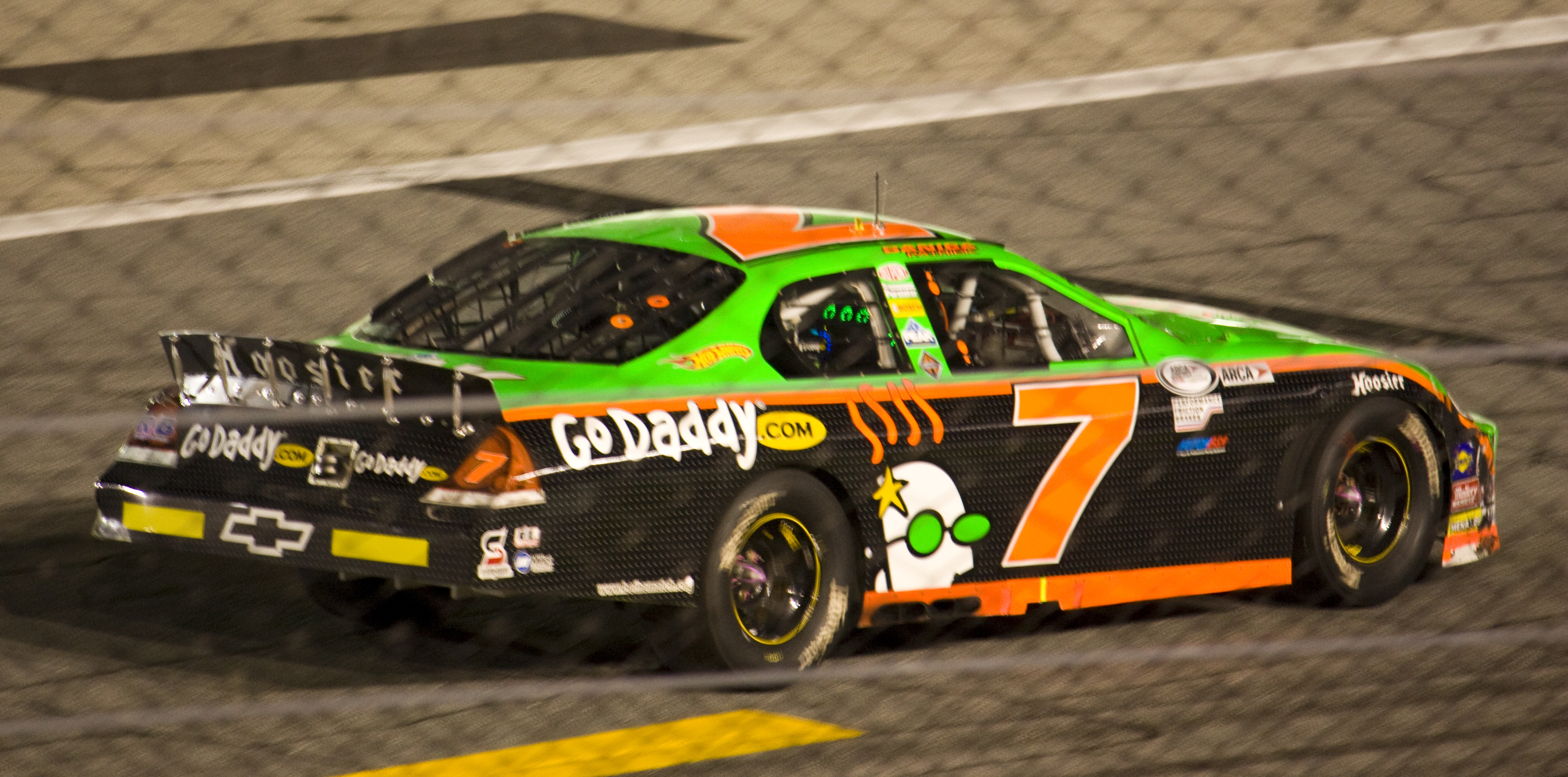
When people talk about Danica Patrick, they often start with a list of historic firsts. The fuller story is the quality and range of the results behind them. She led 19 laps and finished fourth in her first Indianapolis 500. She won an IndyCar race at Motegi. She finished third at Indianapolis. Then, in NASCAR, she won the 2013 Daytona 500 pole and finished eighth in the race. [1] [2] [3]
That is why Patrick’s place in the sport holds up beyond the headline. The record is specific. It spans different cars, different tracks, and different kinds of pressure.
Indianapolis put the performance in view
Patrick’s first Indianapolis 500 in 2005 was more than an introduction. She started fourth, led 19 laps, and finished fourth. The official Indianapolis Motor Speedway record also shows six top-10 finishes across eight starts. [1]
Those details matter. Leading the Indianapolis 500 is not a ceremonial marker. It means managing a race that keeps changing—traffic, tire wear, fuel windows, and the pressure that comes with being in front at a place where the margin is never generous.
Her next major milestone came in Japan. At the 2008 Indy Japan 300 at Twin Ring Motegi, Patrick started sixth and earned her first IndyCar victory. The race turned on fuel mileage and pit strategy. She passed Helio Castroneves late, led the final three laps, and finished nearly six seconds ahead. [2]
“Finally! This was a long time coming,” Patrick said after the Motegi win. “It was a fuel strategy race, and my team called it perfectly for me.” [2]
That second sentence is worth paying attention to. Patrick did not describe the result as a solo act. She pointed to the work: the strategy, the fuel target, the call from the team, and the execution when the opening appeared.
In 2009, she finished third in the Indianapolis 500. Indianapolis Motor Speedway and Sports Illustrated identify it as the best finish by a woman in the race. [5] [6]
The Daytona result needs the full context
The next milestone came in a completely different discipline. In 2013, Patrick posted a 196.434 mph qualifying lap to win the Daytona 500 pole—the first woman in NASCAR history to do so. She then finished eighth in the Daytona 500 and led five laps. [3]
The distinction is important. A pole position is earned in qualifying. It puts a driver at the front of the field to start the race; it is not the same thing as the race result. Patrick delivered both: the headline-making lap on qualifying day and a top-10 finish on race day. [3]
After the pole, former team owner Tony Stewart put the significance plainly: “There’s only one person that can be the first to do anything.” [4]
Patrick’s career was never defined by a single track or a single type of accomplishment. It asked her to adapt—first in IndyCar, then in NASCAR—and to meet scrutiny that often arrived before the green flag. The better way to assess the career is to look at the body of work: the laps led, the podium-level finishes, the win, the pole, and the results that followed.
A driver’s standard, not a slogan
Bobby Rahal, who signed Patrick as a development driver and worked with her during her 2005 Indianapolis 500 season, offered a useful assessment in an Indianapolis Motor Speedway retrospective. “Danica was the first woman that was able to compete head-to-head on any given day with the top drivers in INDYCAR,” he said. [5]
That is the part of the legacy worth keeping in focus. Motorsport can create big moments, but it is still an exacting profession. The stopwatch is indifferent. So are fuel numbers, track position, and a late restart. The records that last are built from preparation, clear decisions, and execution under pressure.
For Women in Motor Sports Wednesday, Patrick’s career is a reminder that a first matters most when there is a performance behind it that people can study, measure, and remember.
Questions readers ask
What should readers remember about Danica Patrick’s racing legacy?
Patrick’s legacy is not simply that she made history. It is that she produced a series of documented results at the highest levels of American open-wheel and stock-car racing: a fourth-place Indianapolis 500 debut after leading 19 laps, a first IndyCar win at Motegi, a third-place Indianapolis 500 finish, and a Daytona 500 pole followed by an eighth-place result. [1] [2] [3] [5]
Source note
This editorial feature is not affiliated with or endorsed by Danica Patrick, her teams, or the cited publishers.
References
- [1] Indianapolis Motor Speedway, “Danica Patrick — Indianapolis 500 Driver Stats.”
- [2] Honda News, “Bridgestone Indy Japan 300 Race Report,” April 20, 2008.
- [3] NASCAR, “Danica Patrick made history at Daytona in 2013.”
- [4] Associated Press via ESPN, “Danica Patrick wins Daytona pole,” February 17, 2013.
- [5] Joey Barnes, “Rahal Recalls Start of Danica-Mania in 2005,” Indianapolis Motor Speedway, May 1, 2018.
- [6] Bruce Martin, “From Guthrie to Patrick, women have made progress at Indy 500,” Sports Illustrated, May 26, 2011.

Contributor
Phillip Mullennax
Journal contributor
Phillip Mullennax is listed as the author of this Fast Town Journal adaptation. His Leadership profile identifies his role in connecting editorial, media, analytics, and audience strategy across Fast Town’s public communications.
Continue the series
More from Women in Motorsports
Start with more of the people, preparation, and documented moments shaping the Women in Motorsports series.
3 related articles

Motorsport Culture · Women in Motorsports
Alisha Palmowski and the Work of Carrying a Title Lead Into Austin
By Phillip Mullennax
Alisha Palmowski leads the F1 Academy standings before Austin. The story is not that the title is settled; it is what the lead still asks of a driver when the next race weekend begins.
October 14, 2026 · 4 min read

Motorsport Culture · Women in Motorsports
Tatiana Calderón and the Work of Learning a New Racing System
By Phillip Mullennax
Tatiana Calderón’s NASCAR Brasil victory at Curvelo was a real milestone. The deeper story is the work of learning a different car, set of tracks and racing culture well enough to turn a new opportunity into a result.
October 14, 2026 · 4 min read

Motorsport Culture · Women in Motorsports
Beth Paretta and the Work of Leading Through a Technical Reset
By Phillip Mullennax
Beth Paretta’s expanded role is a useful lens on the work of leading a motorsport team through a technical-platform change.
October 7, 2026 · 4 min read